A great-looking lawn starts with healthy soil. Even the best seed and fertilizer can only do so much if the soil beneath is compacted or lacking organic matter.
That’s where soil amendments come in. These materials improve the physical condition, nutrient balance, and overall health of your soil, which creates the foundation for stronger, greener grass.
In Pennsylvania, lawns face a mix of challenges: clay-heavy soils in some regions, rocky or sandy soils in others, and pH levels that can vary widely from county to county.
The key to a consistently green, healthy lawn isn’t just fertilizer or frequent mowing; it’s improving the soil itself. Soil amendments are the foundation for long-term lawn health.
What Are Soil Amendments?
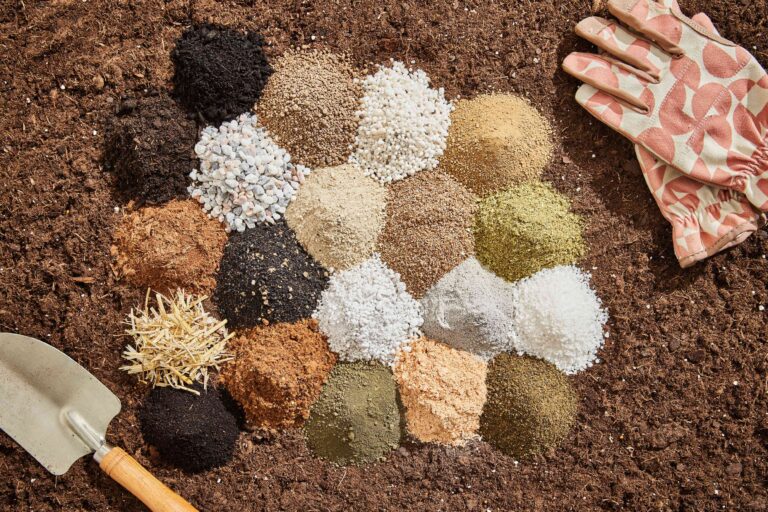
Soil amendments are materials added to the soil to improve its structure, drainage, nutrient content, or biological activity. Unlike fertilizers, which directly feed the grass, amendments focus on improving the soil itself so that nutrients and water are used more effectively.
Common Soil Amendments and Their Benefits
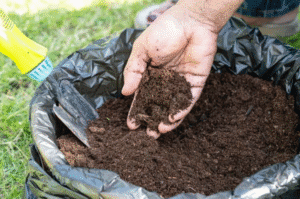
Compost Compost is one of the most effective amendments for residential lawns. It adds organic matter, improves soil structure, increases microbial activity, and enhances moisture retention. For clay soils, compost helps break up compaction. For sandy soils, it improves water and nutrient holding capacity.
Lime Lime is used to raise soil pH when the soil is too acidic. Lawns in PA generally thrive in a slightly acidic to neutral pH (6.2-6.8). A pH imbalance can make nutrients less available to the grass. Applying lime restores balance to a low-pH lawn, helping fertilizers work more efficiently.
Gypsum Gypsum (calcium sulfate) is ideal for heavy clay soils. It helps reduce compaction, improve drainage, and enhance root development without altering soil pH. Gypsum also helps flush out excess salts that can build up from irrigation or fertilizers.
Topsoil or Lawn Soil Mix Topdressing with high-quality topsoil or a sand-soil-organic mix can help level uneven lawns, improve soil texture, and encourage deeper root growth. This is especially useful during overseeding to promote better seed-to-soil contact.
Biochar Biochar is a carbon-rich material made from plant matter through a process called pyrolysis. It improves nutrient retention and increases microbial activity. It’s also long-lasting, staying in the soil for years, making it a sustainable amendment option.
Peat Moss Peat moss helps increase moisture retention and slightly acidifies the soil—useful for lawns growing in alkaline conditions. It’s often blended into soil before seeding to help maintain consistent moisture during germination.
How and When to Apply Amendments
Soil amendments should be based on the results of a soil test. Applying the wrong product or too much of it can upset the soil balance. Typically, the best time for major soil improvement is early spring or fall, when lawns are actively growing. Amendments can be applied before seeding or over established turf.
The Long-Term Benefit
Healthy soil produces resilient grass that requires less fertilizer, water, and maintenance overall. Investing in soil improvement pays off with thicker turf, fewer weeds, and a lawn that stays green throughout the season.
A strong lawn starts underground. By improving the soil through targeted amendments, you’re setting the foundation for lasting lawn health.