

The Autumn Flowering Cherry, commonly sold as Autumn Cherry or Autumnalis Cherry (Prunus × subhirtella ‘Autumnalis’ and ‘Autumnalis Rosea’), stands apart from traditional flowering cherries. Instead of blooming for only a brief window in spring, this ornamental tree produces delicate flowers intermittently from fall through early spring, offering color when most landscapes are dormant.
Growth Conditions and Site Requirements
The Autumn Flowering Cherry performs best in full sun, with at least six hours of direct sunlight per day. Full sun promotes stronger branching and better flower production. It prefers well-drained soil and does not tolerate prolonged wet conditions. While adaptable to a range of soil types, it performs best in moderately fertile soil with good drainage. Once established, it has moderate drought tolerance but benefits from consistent moisture during extended dry periods.
Size and Growth Habit
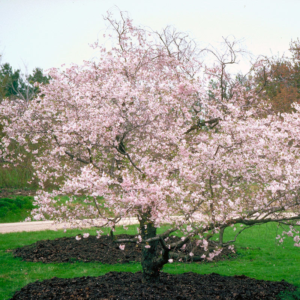
At maturity, the Autumn Flowering Cherry typically reaches 20 to 30 feet in height with a similar spread. It has a graceful, rounded to vase-shaped canopy and a relatively fine texture. Growth rate is moderate, making it suitable for residential landscapes without becoming overwhelming. Its manageable size allows it to fit well in smaller yards and tighter planting spaces.
Landscape Uses
This tree works well as a specimen planting, where its off-season blooms can be fully appreciated. It is also effective along driveways, patios, and walkways, where winter flowers are more noticeable up close. In lawns, courtyards, or mixed ornamental beds, it adds structure and visual interest throughout the year. The tree also provides spring flowers, summer foliage, and attractive fall color, making it a strong multi-season choice.
Flowering Characteristics
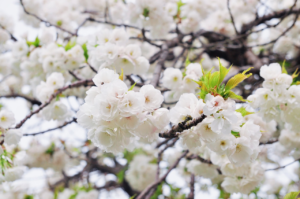
Autumn Flowering Cherry produces small, pale pink to white flowers that open during mild periods from late fall through early spring, with a heavier flush in early spring. Blooming is temperature dependent. Warm spells trigger flowering, while cold weather pauses it. This sporadic bloom cycle is normal and part of the tree’s appeal.
Care and Maintenance
Routine care is straightforward. Mulch around the base of the tree to retain moisture and moderate soil temperature, keeping mulch a few inches away from the trunk. Fertilization is rarely necessary in established landscapes unless a soil test indicates a deficiency. Avoid excessive nitrogen, which can promote weak growth and reduce flowering.
Pruning Guidelines
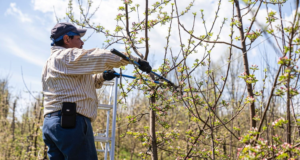
Pruning should be minimal and focused on structure and health. The best time to prune is late spring, immediately after the main spring bloom has finished. Remove dead, damaged, or crossing branches, and thin lightly to improve airflow. Avoid heavy pruning in fall or winter, as this can reduce flowering and increase disease risk.
Pest and Disease Considerations
Like other ornamental cherries, the Autumn Flowering Cherry can be susceptible to pests such as aphids and borers, as well as diseases including leaf spot and canker. Proper siting, good airflow, and avoiding stress from poor drainage or drought greatly reduce these issues. Regular inspection allows early intervention if problems arise.
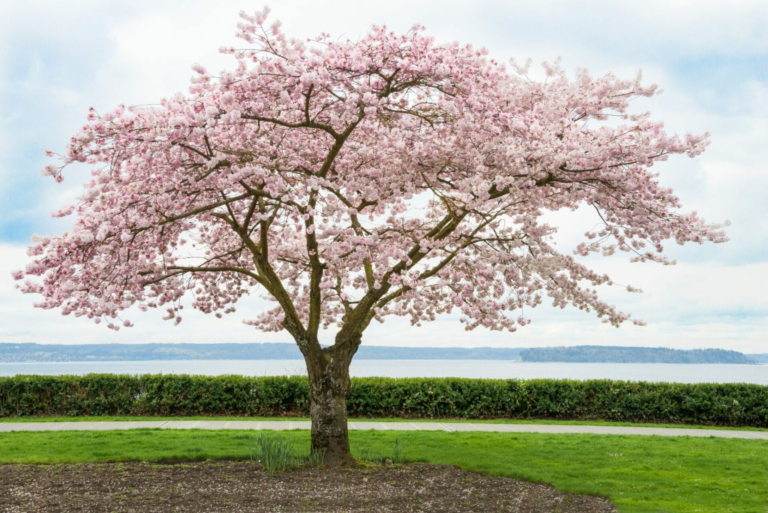
A Standout Tree for Cold-Season Color
For homeowners looking to add visual interest beyond the traditional growing season, the Autumn Flowering Cherry is a practical and elegant choice. Its manageable size, extended bloom period, and graceful form make it a valuable addition to residential landscapes where year-round appeal matters.


