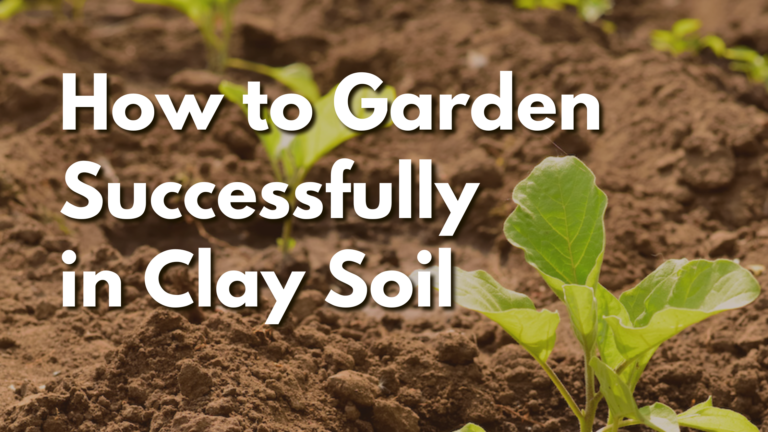
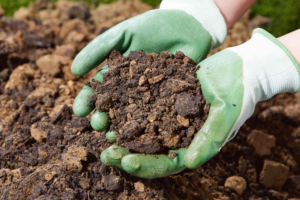
Clay soil can be a challenge for many gardeners in Zone 6a, including those of us in the Lehigh Valley. It holds water for long periods, compacts easily, and takes time to warm up in spring.
However, clay soil is not all bad. It is naturally nutrient rich, and with the right plant choices, you can build a landscape or garden that grows reliably year after year.
Here are some dependable plants that grow well in heavy clay and how to make your soil even more workable over time.
Perennials That Handle Clay Soil
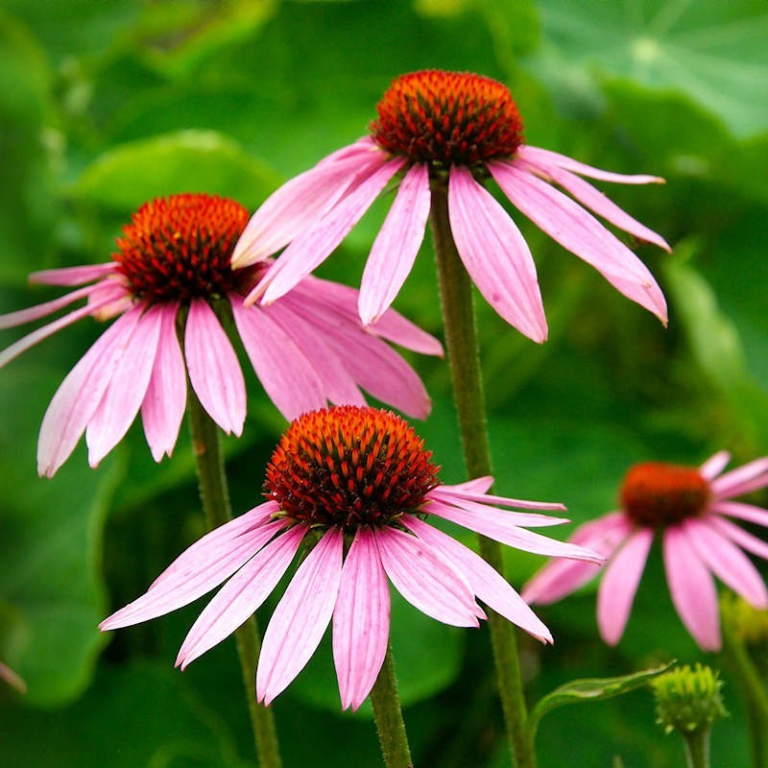
Coneflower
Coneflowers root deeply and adapt well to dense soil. They offer long-lasting color, attract pollinators, and need minimal maintenance once established.
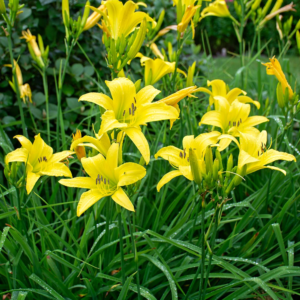
Daylilies
Daylilies are some of the toughest perennials you can grow. Their thick, fibrous roots push through clay and tolerate inconsistent moisture.
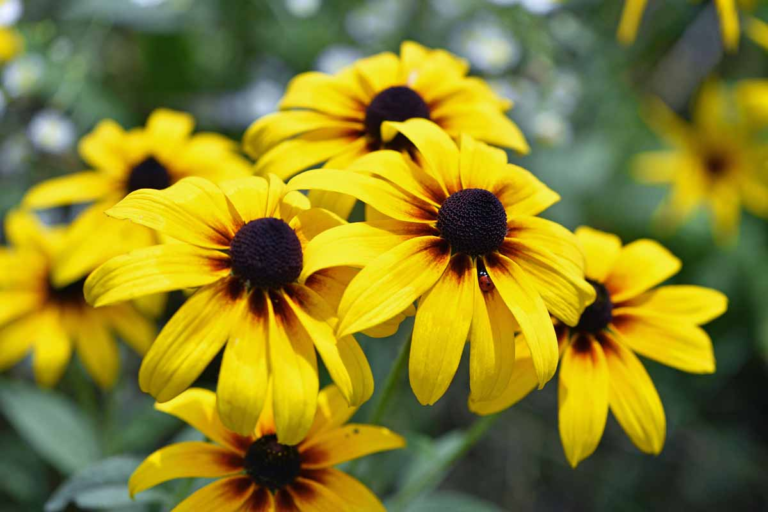
Black-eyed Susan
This hardy native perennial thrives in clay and delivers bright, cheerful blooms all summer. It spreads gradually and fills in spaces reliably.
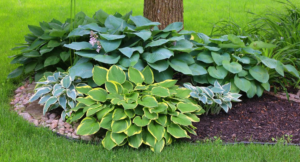
Hosta
If you are planting in a shady clay area, hostas perform well. They tolerate heavy soil and stay attractive throughout the growing season.
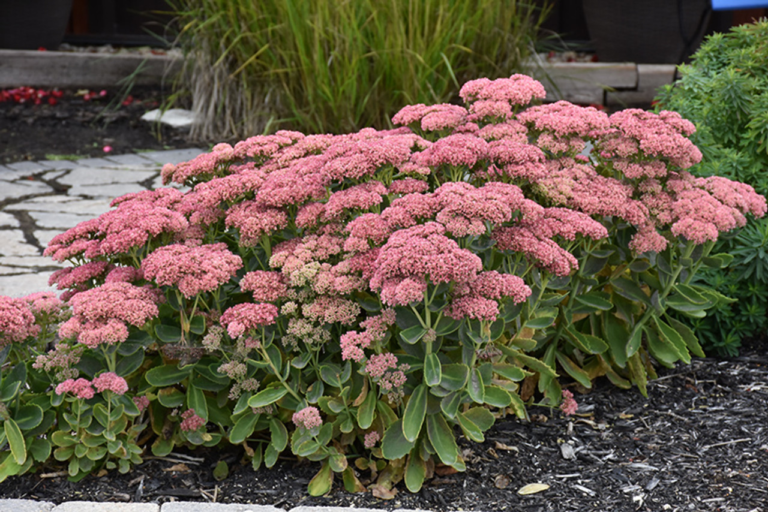
Sedum (Stonecrop)
Sedum varieties like Autumn Joy do well in clay as long as drainage is adequate. They add late-season interest and support pollinators.
Shrubs That Do Well in Clay
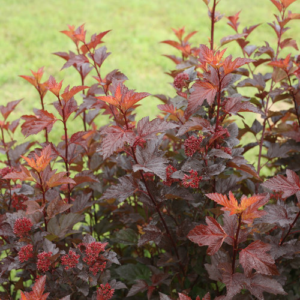
Ninebark
A tough, adaptable shrub that tolerates clay and wet conditions. It offers strong foliage color and attractive peeling bark.
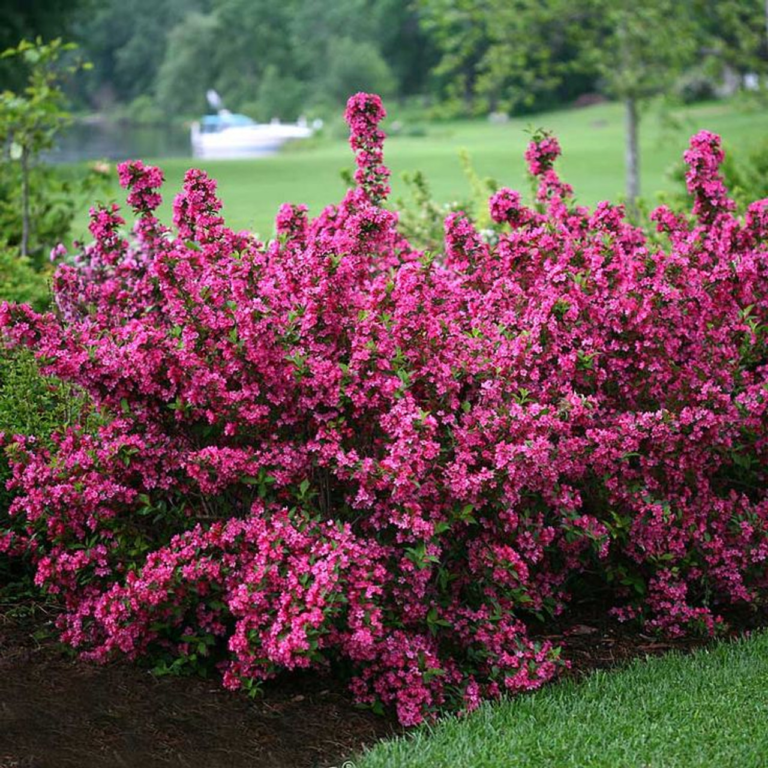
Weigela
Weigela handles clay soil well and provides spring and early summer blooms that draw hummingbirds.
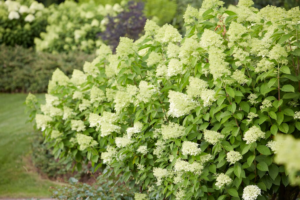
Hydrangea paniculata
Panicle hydrangeas such as Limelight tolerate clay better than other hydrangea types and grow reliably in full sun.
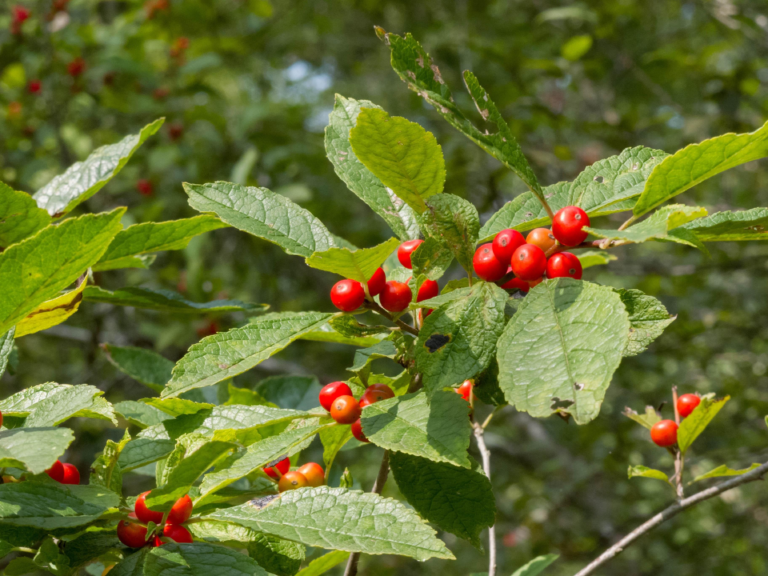
Winterberry Holly
This native shrub thrives in moist clay and produces bright red berries that offer strong winter interest.
Trees That Grow Reliably in Clay Soil
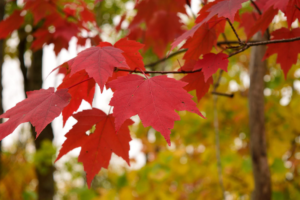
Red Maple
Red maples adapt to heavy soil and variable moisture. They grow quickly and offer excellent fall color.
River Birch
River birch excels in wet or compacted clay areas and grows quickly once established.
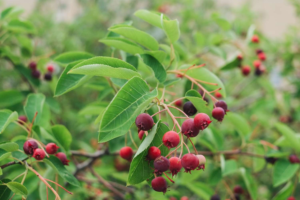
Serviceberry
Serviceberry trees handle clay surprisingly well and provide early spring flowers, edible berries, and strong fall color.
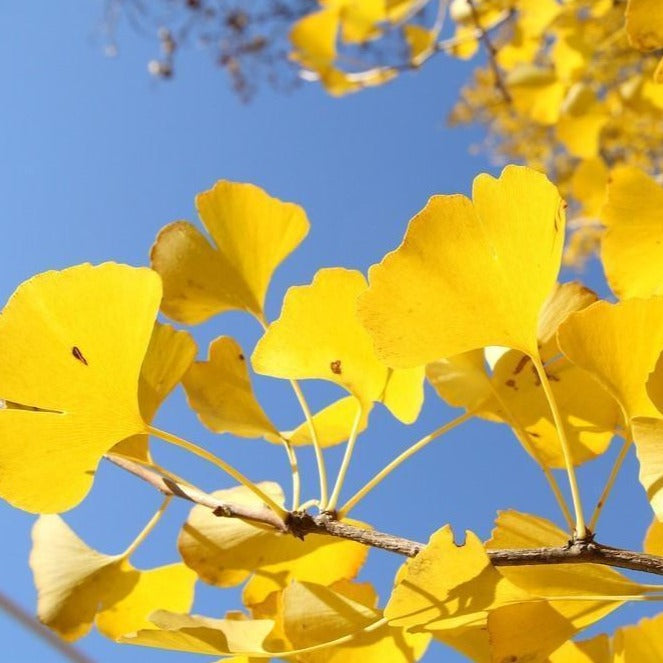
Ginkgo
Ginkgo trees tolerate a wide range of soil types, including heavy clay, and offer exceptional durability.
Improving Clay Soil with Organic Matter
Although many plants tolerate clay, improving the soil structure will give you better long-term results. The most effective approach is incorporating organic matter.
Work in materials such as compost, shredded leaves, aged manure, mushroom soil, or pine fines. Spread 2 to 3 inches of organic matter across the planting area and mix it into the top 6 to 8 inches of soil. This improves drainage and microbial activity, reduces compaction, and makes it easier for plant roots to establish. Repeating the process yearly or using organic mulch that breaks down over time will continue improving the soil.
In conclusion, clay soil is not something to fight against. With the right mix of resilient plants and steady soil improvement, you can create a garden that thrives season after season!
Inspired to get planting? Visit our nursery page or come stop by our store to see what options we have in stock!