

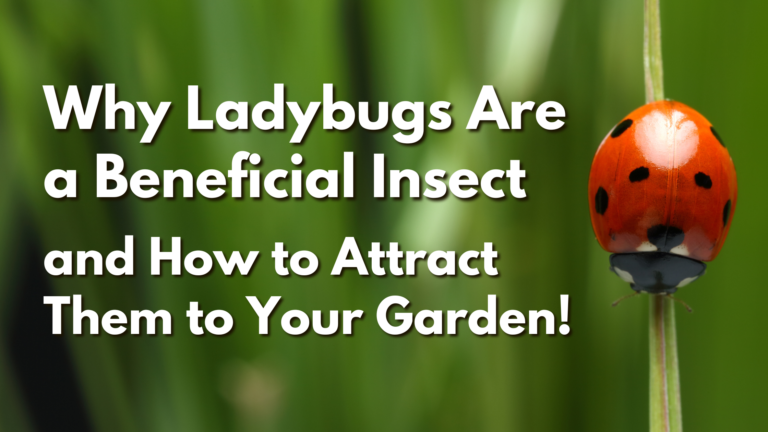
Ladybugs are more than a welcome sight in the garden! They are one of the most effective natural pest control tools available to home gardeners. Encouraging ladybugs to take up residence reduces the need for chemical treatments and supports a healthier, more balanced landscape.
Why Ladybugs Matter in the Garden
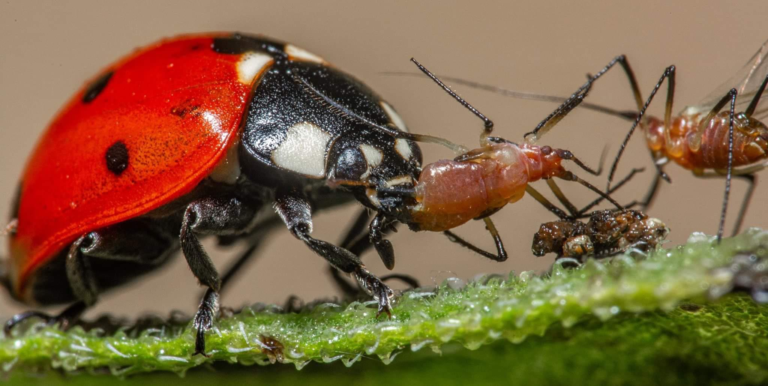
Ladybugs, also known as lady beetles, are voracious predators of common garden pests. A single ladybug can consume dozens of aphids in a day, and hundreds over its lifetime. They also feed on mites, whiteflies, scale insects, and insect eggs. Both adult ladybugs and their larvae provide pest control, with larvae often being even more aggressive feeders than adults.
By reducing pest populations naturally, ladybugs help protect vegetables, fruit trees, ornamentals, and flowering plants without harming pollinators or beneficial insects.
Ideal Living Conditions for Ladybugs
Ladybugs do not remain in gardens without a reliable food source and suitable habitat. Gardens that are overly sterile or heavily treated with pesticides are unattractive to them. To keep ladybugs around, your garden must offer both food and shelter.
A small population of aphids or other soft-bodied insects is necessary. While that may sound counterintuitive, a pest-free garden gives ladybugs no reason to stay. The goal is balance, not elimination.
Plants That Attract Ladybugs
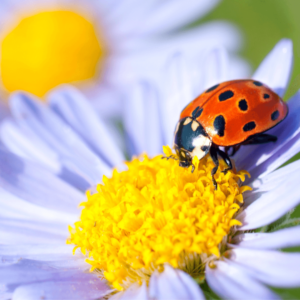
Ladybugs are drawn to plants that produce pollen and nectar, especially those with small, clustered flowers. Plants such as dill, fennel, yarrow, alyssum, coreopsis, and cosmos are particularly attractive. Native plants are also valuable because they support the insects ladybugs rely on for food. Incorporating a variety of flowering plants that bloom throughout the season increases long-term success.
Reduce or Eliminate Broad-Spectrum Pesticides
Chemical insecticides are one of the main reasons ladybugs leave gardens. Broad-spectrum products kill beneficial insects along with pests. If treatment is necessary, use targeted or low-impact solutions such as insecticidal soap or horticultural oil, and apply only where needed. This preserves ladybugs and other beneficial species.
Provide Shelter and Water
Ladybugs need places to rest, hide, and overwinter. Mulch, leaf litter, ornamental grasses, and perennial plantings all provide protection. A shallow water source, such as a dish with stones or marbles, gives ladybugs access to moisture without drowning risk.
Using Live Ladybugs Effectively
Releasing live ladybugs can boost populations when done correctly. Release them in the evening, lightly mist plants with water beforehand, and release near known pest populations. This encourages them to stay rather than immediately fly away. Success improves when the garden already offers food and habitat.
A Smarter, More Natural Approach to Pest Control
Ladybugs are a clear example of how working with nature produces better results than fighting it. By creating the right environment, gardeners can rely less on chemicals and enjoy healthier plants with fewer pest problems.
For pollinator-friendly plants and live ladybugs for a limited time in the spring, visit Herbein’s Garden Center in Emmaus, PA. Their selection makes it easy to build a garden that supports beneficial insects and long-term plant health.


