

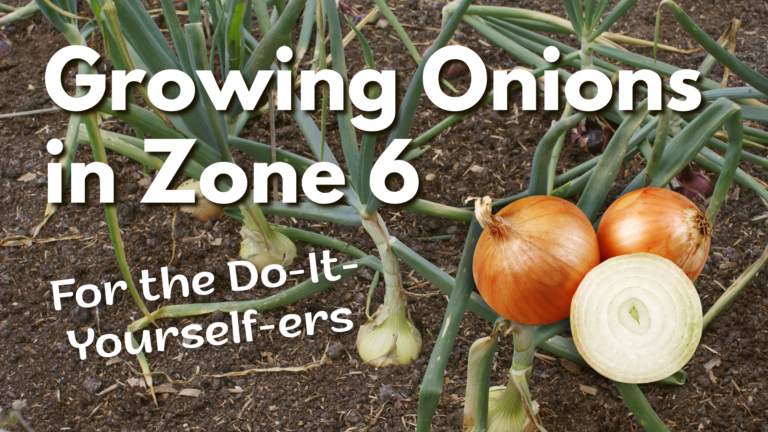
Onions are a very rewarding vegetable to grow in your home garden. They are easy to plant, take up very little space, and store well after harvest. Zone 6 in the Lehigh Valley offers the perfect balance of cool springs and warm summers that onions love. With the right variety and a little planning, you can grow sweet and flavorful onions right in your backyard.
Choosing the Right Onions
You can grow onions from either sets or seeds. Sets are great for beginners because they are fast and very reliable. Seeds give you access to more varieties and flavors.
At Herbein’s Garden Center in Emmaus, PA, you can find options for both:
Onion Sets
- Red Onion Sets
- White Onion Sets
- Yellow Onion Sets
Onion Seeds
- Gladstone
- Walla Walla
- Cipollini
- Italian Red of Florence
- White Lisbon
- Yellow Sweet Spanish
- Evergreen Bunching Scallion
- Zebrune
- Parade
When to Plant Onions in Zone 6
In the Lehigh Valley, onions should be planted as early as possible in spring.
Best timing:
*Late March through mid-April for sets and transplants
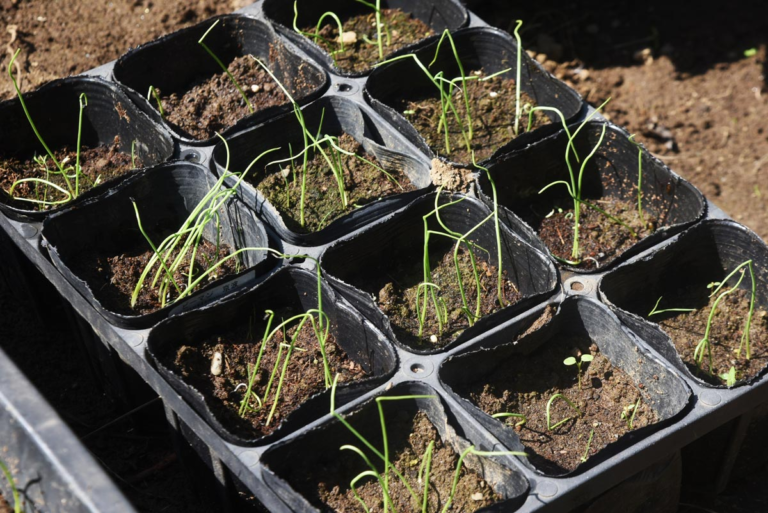
*Start seeds indoors 8 to 10 weeks before your last frost date if growing from seed
Onions are cold-hardy and can handle light frosts, which makes them perfect for early-season planting.
How to Plant Onions
Onions prefer loose, well-drained soil that is rich in organic matter.
Planting onion sets:
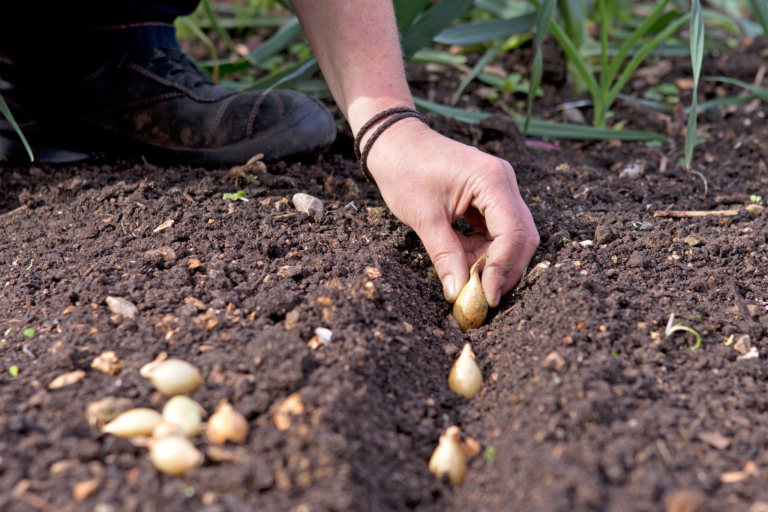
*Plant sets about 1 inch deep, with the pointed end up
*Space them 4 to 6 inches apart
*Leave about 12 inches between rows
Planting from seed:
*Sow seeds about ¼ inch deep
*Thin the seedlings so plants are spaced 4 to 6 inches apart
Choose a full-sun location. Onions need at least 6 to 8 hours of sun each day to form good-sized bulbs.
Watering and Fertilizing
Onions have shallow roots, so consistent moisture is important.
Watering tips:
*Water regularly to keep soil evenly moist
*Avoid letting soil dry out completely
Fertilizing:
*Use a nitrogen-rich fertilizer early in the growing season
*Switch to a balanced fertilizer once bulbs start forming
Too much nitrogen late in the season can cause lots of leafy growth but smaller bulbs.
Common Problems and How to Avoid Them
Onions are generally low-maintenance, but a few issues can show up:
*Thrips can damage leaves. Use insecticidal soap if needed.
*Overwatering can cause rot. Good drainage is essential.
*Weeds compete heavily with onions, so keep beds well weeded or mulched.
Spacing plants properly and keeping the area clean prevents most problems.
When and How to Harvest Onions
Most bulb onions are ready between mid-July and early September.
Signs they are ready:
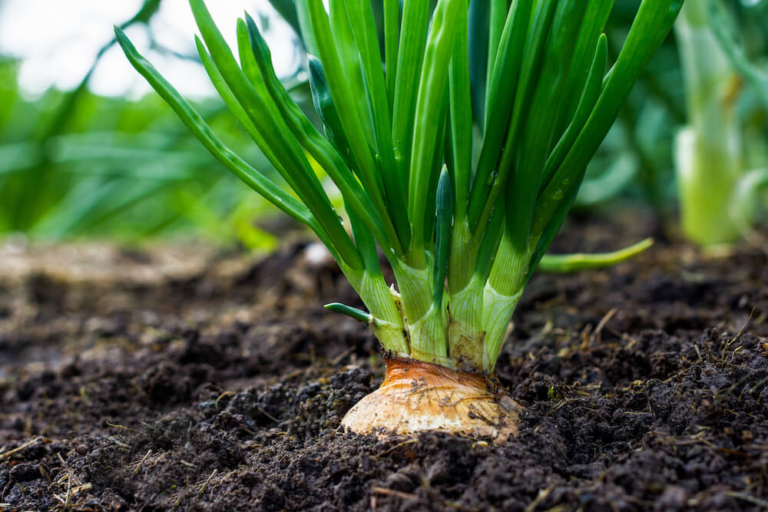
*Tops fall over and start to yellow
*Bulbs push slightly out of the soil
Pull onions gently and let them dry in a warm, airy place for about 1 to 2 weeks before trimming tops and roots.
Bunching onions like Evergreen Bunching Scallion and Parade can be harvested earlier and often repeatedly.
Curing and Storing Your Homegrown Onions
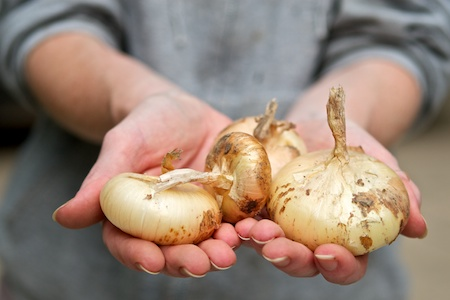
To properly cure homegrown onions, start by gently brushing off loose soil and laying the onions in a single layer in a warm, dry, and well-ventilated area out of direct sunlight, such as a garage or covered porch. Leave the tops and roots intact and allow the bulbs to dry for 10 to 14 days until the necks are completely dry and papery, and the outer skins feel tight.
Once fully cured, trim the roots and cut the tops down to about 1 inch, and store the onions in mesh bags, baskets, or ventilated crates in a cool, dark, and dry location with good air circulation.
Properly cured onions can last several months!
Where to Buy Onion Sets and Seeds Locally
For the best selection, visit Herbein’s Garden Center in Emmaus, PA. Their knowledgeable staff can help you choose the right mix for your garden and cooking style.
Growing onions in the Lehigh Valley is simple, productive, and beginner-friendly. With early planting, steady watering, and good sun, you can grow sweet, crisp onions that beat anything from the grocery store.
Whether you start with sets or seeds, onions are a perfect crop for DIY gardeners looking to get the most out of their Zone 6 garden.


