Nothing says “homegrown” quite like biting into a crisp, juicy apple straight from your own backyard. Apple trees are a classic choice for DIY gardeners in the Lehigh Valley, offering both spring beauty and fall harvests that your family will look forward to year after year.
With a little care and patience, growing apples in Zone 6a is both rewarding and achievable. Here’s how to get started, plus where to find the best varieties locally.
Choosing the Right Apple Variety
Picking the right variety is key to success. Different apple trees bloom and ripen at different times, and some are better suited to local conditions than others.
At Herbein’s, you’ll find a great selection of apple trees well-suited for Lehigh Valley gardens:
*Crimson Crisp – Crunchy, sweet-tart, and resistant to many common apple diseases.
*Golden Delicious – A reliable classic with mild, honey-like flavor and great versatility.
*GoldRush – Late-season fruit with a firm bite and excellent storage life.
*Granny Smith – Tart and crisp, perfect for baking and fresh eating.
*Honeycrisp – Known for its incredible juiciness and sweet-tart balance; a customer favorite.
*Liberty – Disease-resistant and easy to grow, with medium-sized, flavorful fruit.
*McIntosh – Early ripening and aromatic, ideal for snacking and applesauce.
*Red Rome – Firm, red apples that hold their shape beautifully in pies and baked dishes.
Most apple trees need two different varieties for proper pollination and fruit production, so plant at least two compatible types within about 50 feet of each other.
Planting Apple Trees
The best time to plant apple trees in the Lehigh Valley is early spring, after the soil has thawed but before new growth begins. Fall planting can also work if you give roots time to establish before the first hard frost.
Choose a sunny, well-drained location—apple trees need at least 6 hours of direct sunlight daily. Avoid low-lying spots where cold air or frost might settle.
1. Dig a hole about twice as wide as the root ball and just deep enough so the graft union sits 2–3 inches above the soil line.
2. Mix compost into the removed soil to enrich it.
3. Place the tree in the hole, spread out the roots, and backfill with the amended soil.
4. Water deeply to settle the roots.
5. Add mulch around the base (but not against the trunk) to retain moisture and regulate soil temperature.
If you’re planting multiple trees, space them 15–20 feet apart to allow for good air circulation and healthy growth.
Watering and Fertilizing
Young apple trees need consistent moisture as they establish roots. Water deeply once a week, more often during dry spells. Mature trees are more drought-tolerant but still benefit from steady watering during fruit development.
Fertilize each spring with a balanced fertilizer (such as 10-10-10) or an organic alternative like compost or Espoma Tree-Tone. Avoid overfertilizing—too much nitrogen can lead to leafy growth instead of fruit.
Pruning and Training
Prune apple trees in late winter or early spring, before new buds form. The goal is to maintain an open center or modified central leader shape, allowing light and air to reach the inner branches.
Remove any dead, damaged, or crossing limbs, and thin crowded areas to promote healthy fruiting wood. Annual pruning keeps trees manageable in size and encourages larger, better-quality apples.
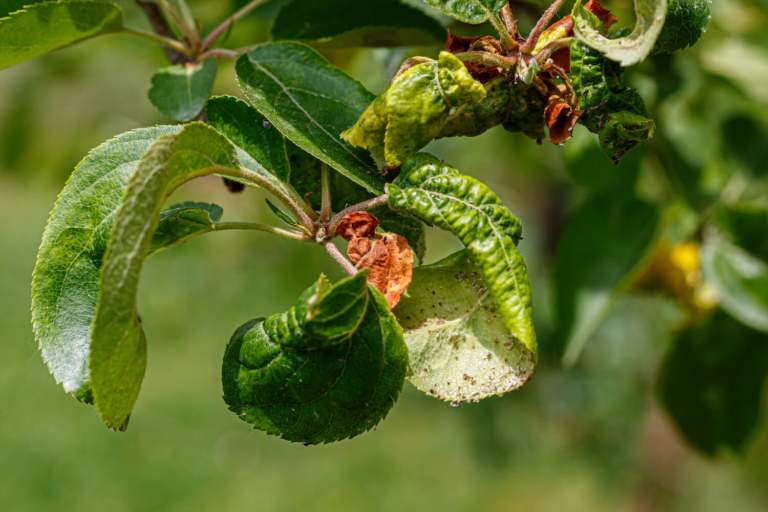
Pest and Disease Management
The Lehigh Valley’s humid summers can invite apple pests like codling moths, aphids, and apple maggots, as well as diseases such as apple scab or powdery mildew. To help prevent issues:
*Keep the ground around your tree clean and free of fallen fruit or leaves.
*Use a dormant oil spray in early spring to smother overwintering pests.
*Choose disease-resistant varieties like Liberty or Crimson Crisp for lower maintenance.
*Ensure good airflow with proper pruning and spacing.
Herbein’s Garden Center also carries fruit tree care products to help manage pests organically or conventionally, depending on your preference.
Harvest Time
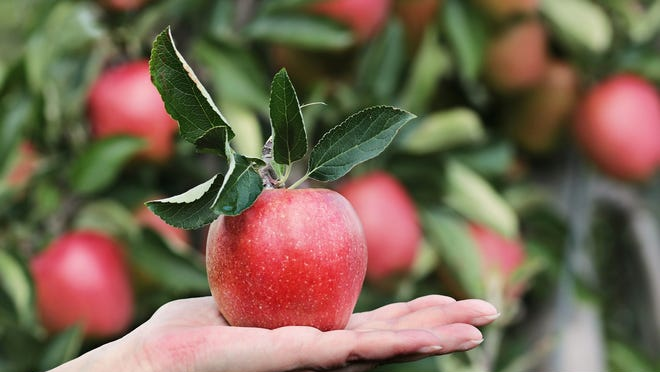
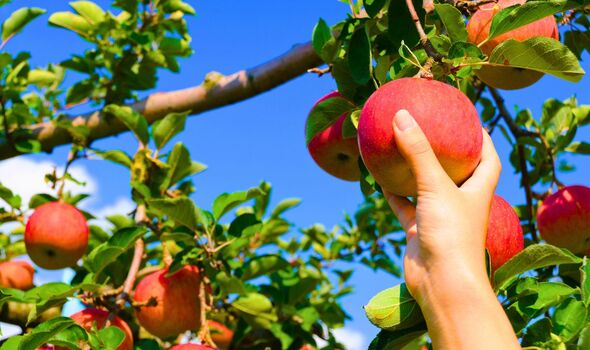
Most apple trees start producing fruit 3–5 years after planting. Harvest timing depends on variety—McIntosh and Honeycrisp tend to ripen in early to mid-September, while GoldRush and Red Rome are ready in October.
You’ll know apples are ready when they come off the branch easily with a gentle twist and their seeds have turned brown. Enjoy them fresh, bake them into pies, or store them in a cool, dry place for later use.
Growing apple trees in the Lehigh Valley is one of the most rewarding garden projects you can take on. A single tree can provide beauty, shade, and bushels of fresh fruit each year. With attention to variety choice, pruning, and watering, you’ll be harvesting crisp, flavorful apples before you know it.
Plant your apple trees this season—and look forward to homegrown harvests for decades to come.


