


Watering seems like the simplest part of caring for a landscape, but it’s one of the most common places things go wrong. Too little and plants dry out; too much and roots suffocate or disease sets in. The good news is that keeping new perennials, shrubs, and trees healthy comes down to a few clear habits. Here’s how to get watering right through those critical first weeks and beyond.
Start With a Few Simple Rules
Before we get into specific schedules, keep these principles in mind. They apply to almost everything you plant:
* Soak new plantings right away. Give everything a thorough drink immediately after planting, then check on it regularly so it doesn’t dry out while roots are still getting established.
* Aim for about one inch of water per week for established plants. That’s a general rule of thumb your landscape will thank you for.
* Water deeply, not just often. Less frequent but deeper watering encourages roots to grow down into the soil, which makes plants far more resilient over time.
* “Drought-tolerant” comes later. Plants labeled drought-tolerant only earn that status after they’ve become established. In their first season, they need consistent water like everything else.
* Mulch is your friend. A layer of mulch helps the soil hold moisture and reduces how often you’ll need to water.
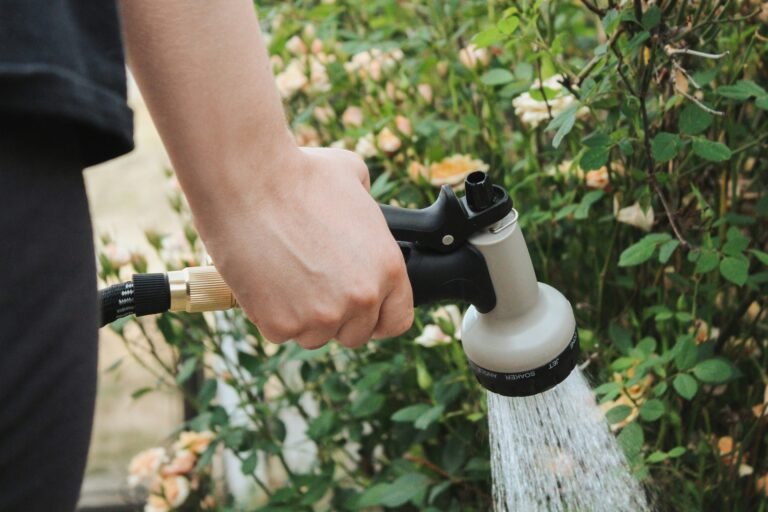
Watering New Perennials and Small Shrubs
For the first month, newly planted perennials and small shrubs need regular attention while their roots settle in.
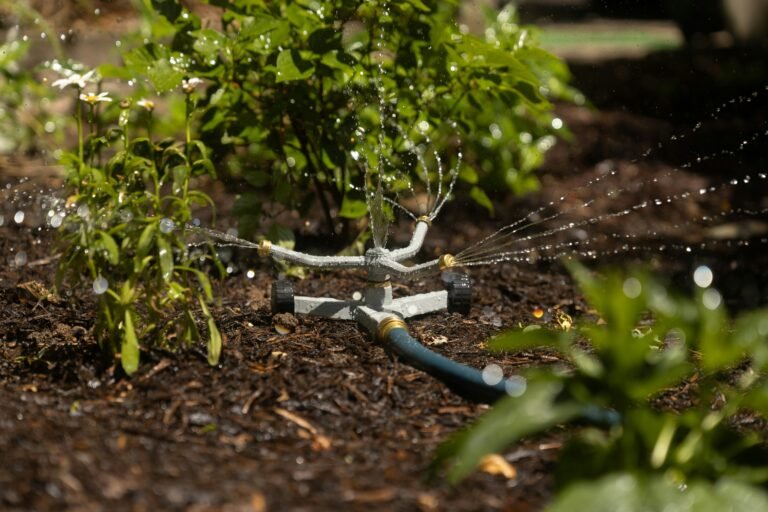
Weeks 1 through 4: Water daily, thoroughly and slowly. In hot, dry stretches, they may need watering twice a day. If the soil is already saturated, you can skip a watering—there’s no need to drown them.
A few habits that make a big difference:
* Always water the base of the plant, not the foliage. Wet leaves invite disease, and water on the leaves doesn’t reach the roots where it’s needed.
* Water in the morning. This gives plants moisture to draw on through the heat of the day and lets any stray moisture dry before evening.
Watering Newly Planted Trees
Young trees are thirsty and need daily attention as they establish.
Water new trees every day with several gallons of water, applied slowly or in a steady “drip” so the water soaks in rather than running off. As with everything else, water the base of the tree, skip watering if the soil is already saturated, and do it in the morning whenever you can.
Notable Exceptions to the Schedule
* Rain counts—if it’s real rain. A rainstorm lasting more than 15 minutes counts as a watering. That means a genuine downpour, not a light drizzle. When in doubt, check the soil before you skip.
* Don’t overwater during rainy stretches. Be especially careful in wet seasons. Your soil should be moist, never muddy or waterlogged.
* Beat the heat. When temperatures climb above 85°, hot and sunny weather may call for watering twice a day.
* Never water at night. Evening watering leaves plants damp overnight, which fosters fungus that can seriously damage or even kill them. Morning is always best.
* Know your soil. Natural soil conditions vary from yard to yard and can mean your plants need more or less water than the general guidelines suggest.
Watch for Signs of Stress
Plants tell you when something’s wrong—you just have to know what to look for. Keep an eye out for:
* Wilting
* Curled leaves
* Lots of brown blotches
* Discoloration
Any of these can signal that a plant is under stress, and the cause isn’t always obvious. It could be watering, but it could also be sunlight, soil, or something else entirely.
We're Here to Help
If you spot signs of stress and aren’t sure what’s behind them, bring us a photo or a sample and let us know what’s going on. The team at Herbein’s Garden Center is always glad to help you identify the cause and get your landscape back on track. A little attention early on goes a long way toward a healthy, thriving yard for years to come.


