

If you love the sweetness of peaches but prefer smooth, fuzz-free skin, nectarines are the perfect fruit tree for your home garden. With their juicy texture, vibrant color, and incredible flavor, nectarines are a summer favorite, and they grow surprisingly well in the Lehigh Valley’s Zone 6a climate with the right care.
Whether you’re an experienced gardener or just getting started, here’s everything you need to know to grow healthy, productive nectarine trees in your own backyard.
Choosing the Right Nectarine Variety
Not all fruit trees handle Pennsylvania winters equally well, so it’s important to pick varieties suited for our region. At Herbein’s, you’ll find two excellent choices for local gardeners:
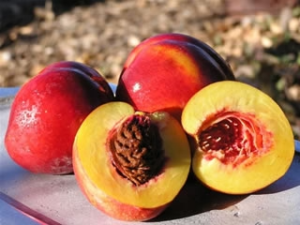
* Fantasia – A popular mid-season variety known for its large, golden-yellow fruit with bright red skin. It’s flavorful, juicy, and great for eating fresh or canning.
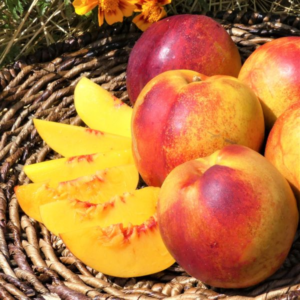
* Flavortop – Another reliable choice that produces sweet, aromatic fruit with firm flesh—perfect for fresh snacking, baking, or preserves.
Both varieties are self-pollinating, meaning you only need one tree to enjoy fruit, and both thrive in sunny Lehigh Valley gardens.
Planting Your Nectarine Tree
Plant nectarines in early spring, once the ground has thawed but before new growth begins. If you prefer fall planting, make sure it’s at least six weeks before the first frost so roots can settle in.
Choose a full-sun location—nectarines need at least 6 to 8 hours of sunlight daily to produce sweet, flavorful fruit. Look for a slightly elevated area with well-drained soil to avoid standing water, which can cause root problems.
1. Dig a hole about twice as wide as the root ball and the same depth.
2. Loosen the roots and place the tree so the graft union (the swollen spot near the base) sits just above soil level.
3. Backfill with a mix of native soil and compost.
4. Water thoroughly after planting.
5. Add a 2–3 inch layer of mulch around the base to keep roots cool and moist—but keep mulch away from the trunk itself.
Space multiple trees 12–15 feet apart to allow for good air circulation and future growth.
Watering and Fertilizing
During the first year, water your young tree once or twice per week, depending on rainfall. Once established, nectarines can handle short dry periods but still appreciate deep watering during hot spells.
Fertilize in early spring using a balanced fertilizer (such as 10-10-10). Be cautious not to overfertilize—too much nitrogen can cause leafy growth and fewer blossoms.
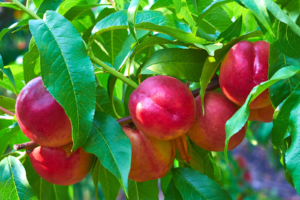
Pruning and Care
Proper pruning is essential for healthy, productive nectarine trees. Prune in late winter or early spring, before new buds open.
* Shape your tree into an open center or vase shape to let sunlight reach all branches.
* Remove any dead, damaged, or crossing limbs.
* Thin out small fruit early in the season to encourage larger, higher-quality nectarines.
Nectarine trees are naturally self-pollinating, but good pruning and sunlight exposure help improve fruit production and quality.
Pest and Disease Tips
Like peaches, nectarines can sometimes struggle with peach leaf curl, brown rot, or aphids, especially in humid weather. To minimize problems:
* Avoid overhead watering.
* Clean up fallen fruit and leaves around the base.
* Prune to keep the canopy open for better airflow.
* Consider a spring application of horticultural oil or an appropriate fungicide before buds open.
With these simple steps, you can prevent most common issues and keep your tree thriving.
Harvesting Nectarines
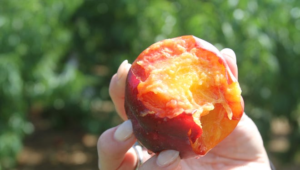
Nectarines ripen in mid to late summer, typically between July and August in the Lehigh Valley. You’ll know they’re ready when the fruit is fragrant, deeply colored, and slightly soft to the touch.
Gently twist the fruit to remove it from the branch—no tugging needed. Fresh nectarines don’t store for long, so enjoy them quickly or use them in cobblers, preserves, or smoothies.
Nectarine trees bring both beauty and flavor to your landscape. Their spring blossoms are stunning, and their fruit is unbeatable when eaten straight from the tree. With a sunny spot, good soil, and a bit of seasonal pruning, you can enjoy homegrown nectarines for years to come.
Stop by Herbein’s Garden Center in Emmaus, PA, to check out their selection of Fantasia and Flavortop nectarine trees. The knowledgeable team can help you choose the best variety for your space and give you all the tips you need to succeed in Zone 6a’s Lehigh Valley climate.
Plant one this season—you’ll be glad you did when you’re biting into a sun-warmed nectarine from your very own backyard.


