

Cherries are one of those fruits that feel a little magical. The good news is that they grow surprisingly well here in the Lehigh Valley if you give them the right start and pay attention to a few local conditions.
Here’s a simple, homeowner-friendly guide to getting your own cherry tree producing bowls of this sweet summer fruit.
Choose the Right Cherry Type
In our region, you’ll have the best luck with cold-hardy varieties. The Lehigh Valley falls in USDA Zone 6, which supports both sweet and sour cherries as long as the cultivar is rated for our winters.
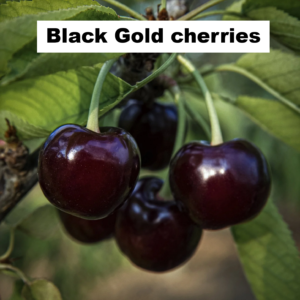
Sweet cherries (good for fresh eating):
– ‘Black Gold’
– ‘Black York’
– ‘Black Pearl’
– ‘Whitegold’
Sour cherries (great for baking and super reliable):
– ‘Danube’
– ‘Montmorency’
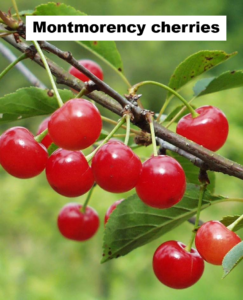
Sour cherries tend to be easier and more consistent for backyard growers. Sweet cherries can do well too, as long as you plant the right varieties and manage pollination. Some are self-fertile, but others need a partner tree.
Pick a Sunny Spot
Cherry trees will not produce well without full sun. Aim for at least six hours a day. More sun equals stronger growth and better fruit.
Choose a location that drains well. Cherries dislike wet feet, and clay-heavy PA soil can hold moisture. If your yard tends to stay soggy after rain, consider a raised area or amend the planting zone with compost.
Planting Tips
The best planting time in the Lehigh Valley is early spring. When the soil is workable and the frost risk drops, you’re good to go.
1. Dig a hole about twice as wide as the root ball, but only just as deep.
2. Loosen the roots gently before setting the tree in place.
3. Keep the graft union (the swollen bump on the lower trunk) a few inches above soil level.
4. Backfill with your native soil mixed with compost. Don’t add fertilizer yet.
5. Water thoroughly and add mulch, keeping mulch away from the trunk.
Herbein’s usually carries compost and mulches suited for fruit trees, so you can pick up everything in one run.
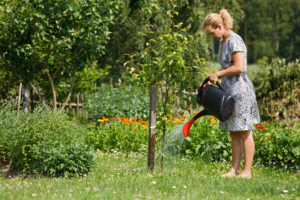
Watering and Feeding
Consistent moisture is key during the first two years. Water when the top few inches of soil start to dry, especially during the hot summer. Once established, cherry trees become more drought tolerant.
Fertilize lightly in early spring with a balanced tree food or fruit-tree fertilizer. Avoid heavy feeding, which can cause excessive leafy growth at the expense of fruit.
Pruning and Shaping
Young cherry trees should be pruned to create an open shape that lets sunlight reach the interior branches. An open center or modified central leader structure works well.
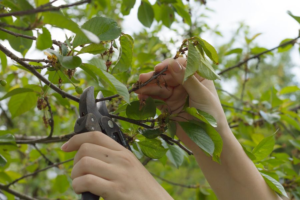
During winter dormancy, remove dead or crossing branches. Keep pruning at a moderate level. Cherries can be sensitive to large cuts, and heavy pruning can reduce fruit for the season.
Pest and Disease Notes
Our region does see some pressure from pests like Japanese beetles and diseases such as brown rot and cherry leaf spot. Regular monitoring is enough for a backyard tree. If issues pop up, Herbein’s staff can steer you toward the correct fruit-safe treatment.
Good airflow around the tree, proper pruning, and cleaning up fallen fruit reduce most problems before they start.
Harvesting
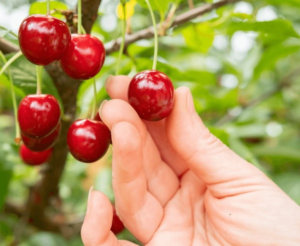
Sweet cherries ripen around late June to mid-July in the Lehigh Valley. Sour cherries follow shortly after. Taste as you pick – different varieties mature at different times.
Birds love cherries too, so netting may be necessary if you want to keep most of your harvest.
Cherries take some patience, but once your tree is established, the reward is worth it. If you’re ready to plant one this season, Herbein’s Garden Center typically carries a strong selection and the supplies you’ll need.
You’d be surprised how much fruit you can grow in your own backyard with a bit of planning and consistent care.


