


When it comes time to seed your lawn, the options can seem endless for which brand, which blend, and which size bag is the right choice for you. Choosing the wrong type of seed can have long-term consequences as any undesirable or mis-matched grass types introduced to the lawn will be very difficult to get rid of later.
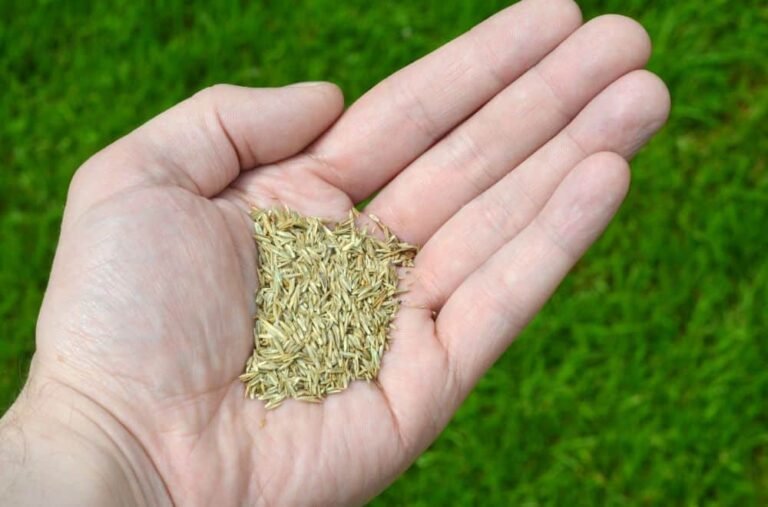
Scotts and Pennington are probably the two most recognizable name brands of grass seed on the retail market today. Most big-box hardware stores and garden centers sell them. They’re both good options for beginner DIY homeowners who want to quickly get new grass to grow in their lawn. The quality of the blend purity is not always as high quality as smaller brands, but that’s just part of the price you pay for a more cost effective option.
Jonathan Green is closer to the “premium” side of the spectrum of grass seed brands. The old adage is true – you get what you pay for. Its blends are known for their tolerance under different stress factors, such as drought, heavy shade, high foot traffic, etc. Jonathan Green seed is available online through their website: JonathanGreen.com, and also at Ace Hardware.
Mountain View Seeds, founded in Oregon, has a wide selection of seed blends for various climates, including Kentucky bluegrass, ryegrass, and both tall and fine fescues. Their bags are available for sale at Home Depot and on Amazon, making it a quick option for in-person pick-up or delivery straight to your door. You can read more about each of their blends on their website: Mountain View Seeds.
Mountain View even has a Pennsylvania State Mix grass seed blend, specifically designed for lawns in PA! Available for purchase at Lowe’s.
Reed and Perrine is a pretty niche brand, so if you’re researching them, you probably know what you’re talking about when it comes to grass seed. They typically only sell to wholesalers and contractors, not to individual homeowners. Some locally owned lawn & garden stores may carry them, but you’ll have to do your own research to find one near you. Their website (www.ReedAndPerrine.com/grass-seed/) contains a wealth of helpful information, even if their bags aren’t sold at a supplier near you.
Now that we’ve covered some of the top brands, let’s move on to which blend of seed is best for your lawn.
First of all, if you already know what grass type makes up the majority of your lawn, it would make the most sense to seed with that same type. For instance, if your lawn is made up of 70-85% Kentucky bluegrass (and you like the look of it), you might as well seed with pure KBG to bump that percentage up and slowly phase out the other grass types mixed in.
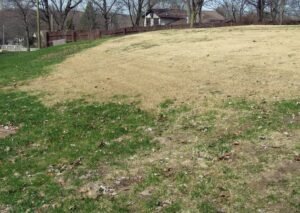
Next, it’s important to seed according to your climate. Warm season grasses (zoysia, bermuda, bahiagrass, St. Augustine, etc.) are not good choices for cool climate lawns in Pennsylvania and the rest of the northeast. They go dormant very early on in the fall and will remain dormant and brown into the spring, after cool-season grasses have already greened up.
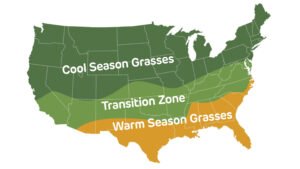
Cool-season grasses include Kentucky bluegrass, tall fescue, fine fescue, and perennial ryegrass. Bentgrass is also in the cool-season category, but it requires a level of maintenance that most homeowners are not eager to commit to.
At this point, you’ve hopefully narrowed down which brand and which seed blend to use for your lawn, so let’s move on to how to choose what size bag and how many bags you may need to use.
The amount of seed you’ll need per thousand sq feet will vary depending on if you’re overseeding an existing lawn or planting a brand new lawn on bare dirt.
For overseeding, the industry standard is to use 4-5 lbs of seed per thousand sq feet. Core aeration is a great service to couple with overseeding, as it plants the seed directly in the aeration holes, instead of only on the surface of the soil. This usually increases germination rates as well.
For planting a new lawn on bare dirt, it is recommended to use between 5-8lbs of grass seed per thousand sq ft. Adding straw cover or PennMulch seed accelerator on top of the seed helps with moisture retention and germination.
Curious how to measure your lawn size?
There are a few ways to go about it:
- Online mapping tools
Google Maps has a Measure tool integrated into their software, under “Layers,” then “More” and “Map tools.” Click around the perimeter of your lawn, going around the house/driveway/landscape beds/etc, then click back on the original pin to sum up the volume of the measurement.
- Property records
Check your property survey or plot plan for total lot size, then subtract the size of the house and other buildings, driveway, landscape beds, or non-lawn areas.
- Measuring wheel
Walk the perimeters with the wheel to get length and width measurements, then multiply L x W to get the area.
- Tape measure – Only recommended for smaller lawns. 🙂
Herbein’s Garden Center sells a variety of brands, blends, and bags of seed! Our friendly staff would love to point you in the right direction and make sure you leave with the right grass seed for your lawn. Check out our selection here: Herbein’s Online Shop: Lawn Care.


