Growing your own fruit trees is rewarding, but pests can quickly undo that effort if they are not managed properly. The key is protecting your harvest without introducing chemicals that can harm your family, pollinators, or the surrounding environment. Fortunately, there are several effective and safe pest control options well-suited for edible fruit trees.
Start With Prevention and Monitoring
Healthy trees are naturally more resistant to pests. Proper pruning improves airflow and sunlight penetration, which reduces fungal pressure and insect habitat. Cleaning up fallen fruit and leaves limits overwintering pests.
Regular inspection is critical. Catching aphids, mites, or caterpillars early allows for targeted treatment rather than heavy applications later in the season.
Horticultural Oils and Insecticidal Soaps
Horticultural oils and insecticidal soaps are among the safest and most reliable tools for home fruit growers. These products work by smothering soft-bodied insects such as aphids, scale insects, and mites. They leave minimal residue and break down quickly, making them appropriate for edible crops when used according to the label.
Timing matters. Apply during cooler parts of the day and avoid spraying when trees are under drought stress.
Biological Controls
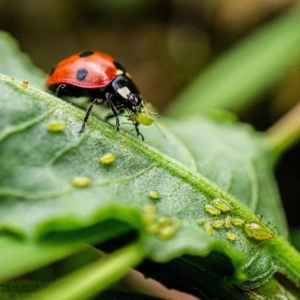
Beneficial insects like lady bugs, lacewings, and parasitic wasps play a major role in keeping pest populations in check. Encouraging these insects by avoiding broad-spectrum insecticides and planting pollinator-friendly plants nearby can significantly reduce the unwanted pest population.
Organic and Low-Toxicity Sprays
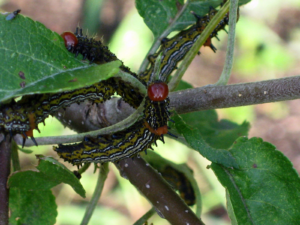
Products containing neem oil or spinosad are widely used in edible fruit production. Neem oil disrupts insect feeding and reproduction. Spinosadis effective against caterpillars and certain beetles. These options provide strong control while maintaining a favorable safety profile when used correctly.
Physical Barriers and Traps
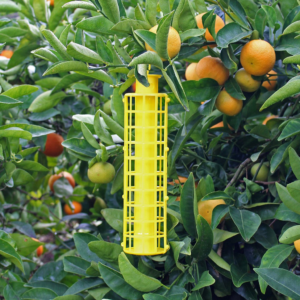
Sometimes the simplest solution is the most effective. Tree bands can stop crawling insects, and mesh bags can protect developing fruit from insects and birds. Pheromone traps help monitor and reduce populations of moths such as codling moths, a common pest of apple trees. While traps alone may not eliminate a problem, they are valuable as part of an integrated approach.
A Practical, Responsible Approach
No single method works in every situation. The safest and most effective pest control strategy combines good cultural practices, regular monitoring, and targeted treatments only when necessary. This approach protects your fruit, supports beneficial insects, and minimizes unnecessary chemical exposure.
For homeowners looking to manage pests responsibly, a wide variety of safe and effective pest control options are available at Herbein’s Garden Center in Emmaus, PA. Their knowledgeable staff can help you choose the right products for your specific fruit trees and local conditions.