

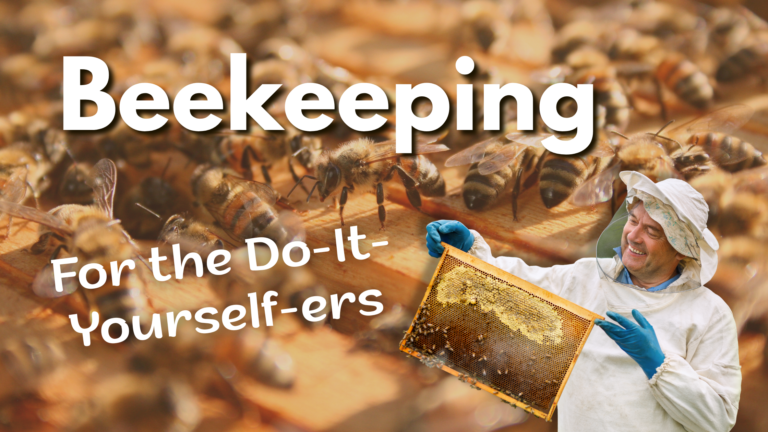
A successful start in beekeeping in the Lehigh Valley begins with clear planning, reliable equipment, and a realistic understanding of local conditions. Our region’s climate creates a defined beekeeping rhythm:
1. slow buildup in early spring
2. heavy nectar flow from late spring through early summer
3. critical feeding and mite control in late summer and fall.
A DIY homeowner can enter the hobby with manageable steps and predictable costs.
Here’s how to keep those beautiful blooms looking their best all season.
1. Confirm local requirements.
Lehigh and Northampton County both allow backyard beekeeping, but municipalities vary. Do some research on zoning rules, setback requirements, and hive limits for your specific county. Notify nearby neighbors as a courtesy. Secure a water source on your property so bees don’t go seeking one at neighboring pools.
2. Build fundamental knowledge.
Take an introductory class through the Lehigh Valley Beekeepers Association or Penn State Extension. These groups provide region-specific guidance on nectar sources, seasonal timing, and mite management. Use their recommendations to avoid preventable losses in your first season.
Collins BeeKeeper’s Bible is a wonderful resource for all things beekeeping in a beautiful almanac-style setting that includes a history of beekeeping, a handbook for beginners, and recipes for how to use honey and beeswax.

3. Select proper equipment.
A standard setup includes two deep hive bodies, one or two medium honey supers, frames with foundation, a screened bottom board, outer and inner covers, a smoker, hive tool, and protective gear. Choose woodenware that matches standard Langstroth hive dimensions so any replacement parts remain consistent.
A first-time backyard beekeeper may expect to spend around $1,000 for a proper set up and equipment, including the bees.
4. Acquire bees in early spring.
Local suppliers offer two main options: package bees and nucleus colonies. A nucleus colony costs more but contains an established queen and drawn comb, which accelerates spring buildup in the Lehigh Valley’s cool April weather. Order ahead in the winter to secure availability.
5. Plan the hive location.
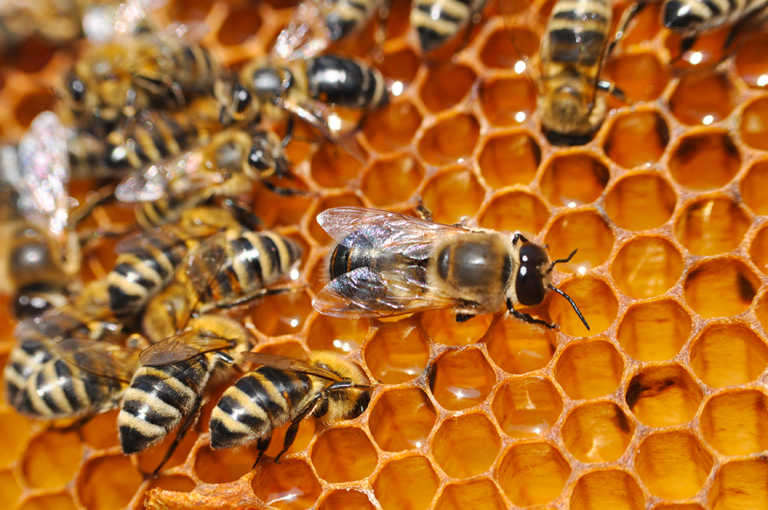
Place hives in full morning sun, sheltered from prevailing winds. Maintain level footing and place hives on stands to reduce moisture and deter pests. Keep a clear flight path that does not cross walkways or property boundaries.
It’s a general guideline to have at least 6-8 ft of open space around your hive, which allows the bees to fly freely without maneuvering around obstacles. Try to place the hive so that the openings face south, east, or southeast.
6. Get tough on mite management from Day 1.
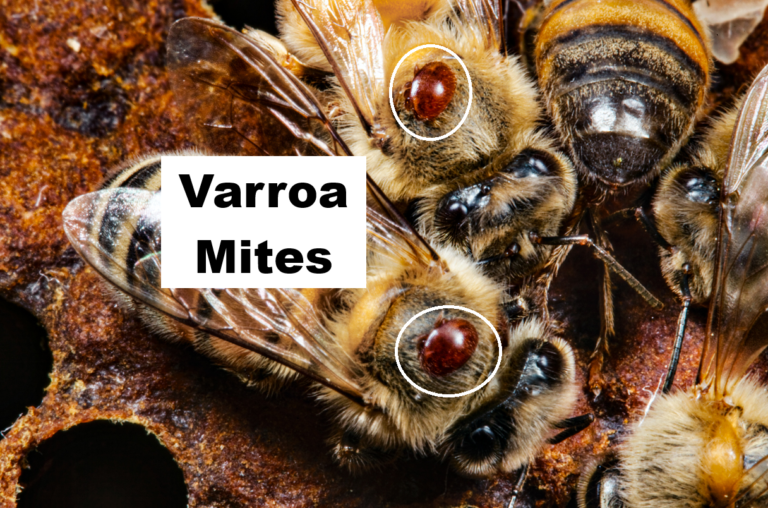
Varroa mite control will determine your colony’s survival. Use an integrated pest management plan that includes monitoring with alcohol washes and timely treatments following manufacturer instructions. In the Lehigh Valley region, spring and late-summer checks are critical.
7. Support the colony through seasonal changes.
Provide supplemental sugar syrup in early spring until natural nectar becomes abundant. Ensure adequate ventilation and monitor for swarm pressure during May and June. After the honey flow, prepare for fall by confirming the queen’s performance, checking food stores, and feeding if necessary.
8. Prepare for winter.
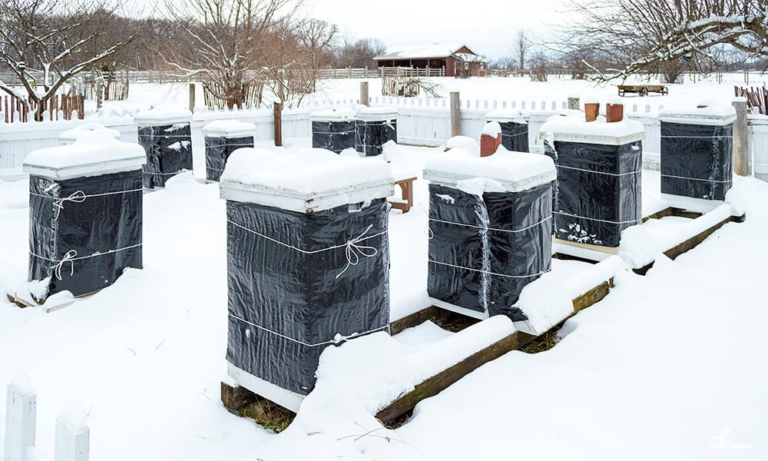
Lehigh Valley winters require insulated covers or moisture quilts for protection from wind and reduced entrances. A healthy colony needs roughly 60 to 90 pounds of stored honey to survive the cold season. Avoid opening the hive in freezing weather.
Starting beekeeping is achievable with steady attention to regional timing and mite control. With disciplined management and proper equipment, a new beekeeper can maintain healthy colonies while supporting local pollination and biodiversity.
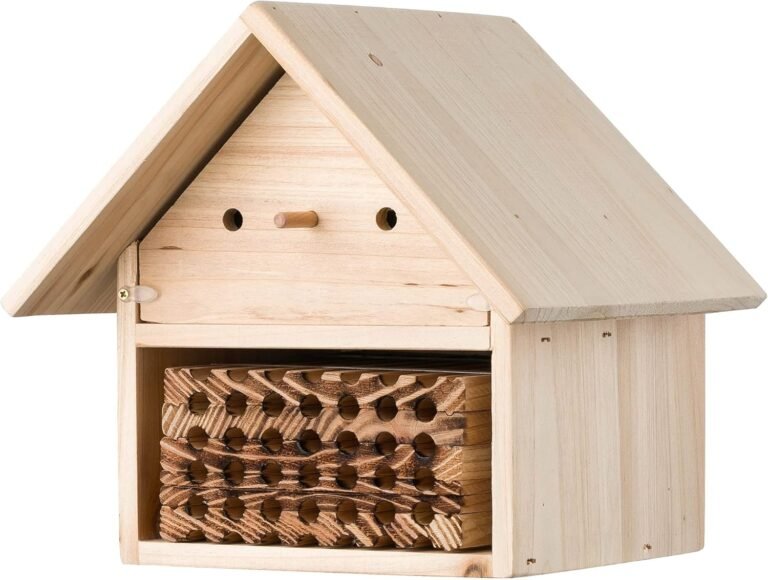
Not quite ready to commit to full-time beekeeping but still want to enjoy bees in your backyard? A bee house might be the perfect thing! Planted in a pollinator garden, a bee house can be a safe refuge for bees and a source of entertainment and joy for you!


