


LECA has become a popular trend in the houseplant world, and it is showing up everywhere online for good reason!
LECA stands for Lightweight Expanded Clay Aggregate.
They are small clay balls that have been heated until they expand, creating an airy, porous structure that works well as a soil alternative for many indoor plants.
What does LECA do for plants?
Firstly, LECA is not soil and it does not hold any nutrients. It is an inert medium that supports roots without breaking down. Its main benefits come from how it handles air and water.
LECA supports excellent drainage and aeration by forming large porous spaces so that roots can easily access oxygen. Pellets hold water inside their pores while leaving surface air gaps to reduce overwatering.
LECA can be used to support new propagations, as a drainage layer at the bottom of pots to wick excess moisture back up into the soil, or as a soil amendment mixed with the current soil to enhance drainage.

What are the top five advantages to using LECA?
1. Improved root aeration
LECA provides large air gaps between pellets, reducing the risk of root rot and promoting healthy oxygen flow.
2. Better moisture control
Water is absorbed by the clay balls and slowly released, helping to prevent overwatering and maintaining a constant level of moisture.
3. Reusable and clean
LECA can be washed, sanitized, and reused for years, unlike soil which breaks down and can harbor pests.
4. Reduced pest problems
Because LECA doesn’t contain organic matter, it’s far less likely to attract fungus gnats or mold.
5. Easier nutrient control
You can precisely manage nutrients by adding them to the water reservoir, making it ideal for semi-hydroponic setups.
Is LECA a good option for you?
LECA is a great option for gardeners who want fewer gnats, cleaner pots, and more predictable moisture. It suits plants that dislike soggy soil, due to its quick-draining properties. Using LECA as a soil alternative also helps with cutting roots quickly.
For plants that require consistently rich organic soil or heavy feeding, traditional potting soil would be the better choice.
Ready to try it for yourself?
Here’s a quick start guide and step-by-step instructions:
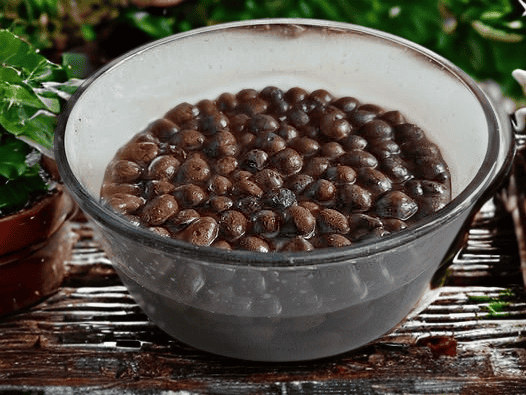
First, you need to prepare the LECA balls by soaking them in water until they absorb enough water to sink down in the container. Keep in mind that this could take up to 24 hours! Allow plenty of time for the LECA to properly absorb water before proceeding.
Once your LECA is soaked and ready, drain them of excess water before using.
Step 1: Pick your container
You can use a pot with drainage holes set inside an outer, decorative pot. The inner pot will hold the plant and LECA, and the outer pot will hold the water reservoir.
Step 2: Prepare the plant
If you’re converting a plant from traditional soil, carefully remove as much soil as you can from the root system. Gently rinse them so that only clean roots remain.
Step 3: Add LECA
If you’re converting a plant from traditional soil, carefully remove as much soil as you can from the root system. Gently rinse them so that only clean roots remain.
Step 4: Add water
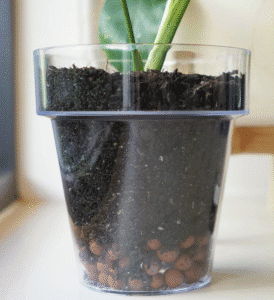
Pour water into the outer pot until it reaches the bottom layer of LECA in the inner pot. The water should not fully cover the roots, as the LECA will wick moisture upward.
Step 5: Add fertilizer
Because LECA has no innate nutrients, add a diluted hydroponic fertilizer to the water. Refer to the specific product label for dilution strength.
Step 6: Maintain the setup
Top off the water when the reservoir gets low. Replace the nutrient solution every two to four weeks to avoid salt buildup.

Conclusion
Ready to try LECA for your plants? Start with a single plant and experience the difference these remarkable clay balls can make in your indoor garden. Your plants—and your future self—will thank you for making the switch to this innovative growing medium.
Visit our store today to pick up a bag to get started!


