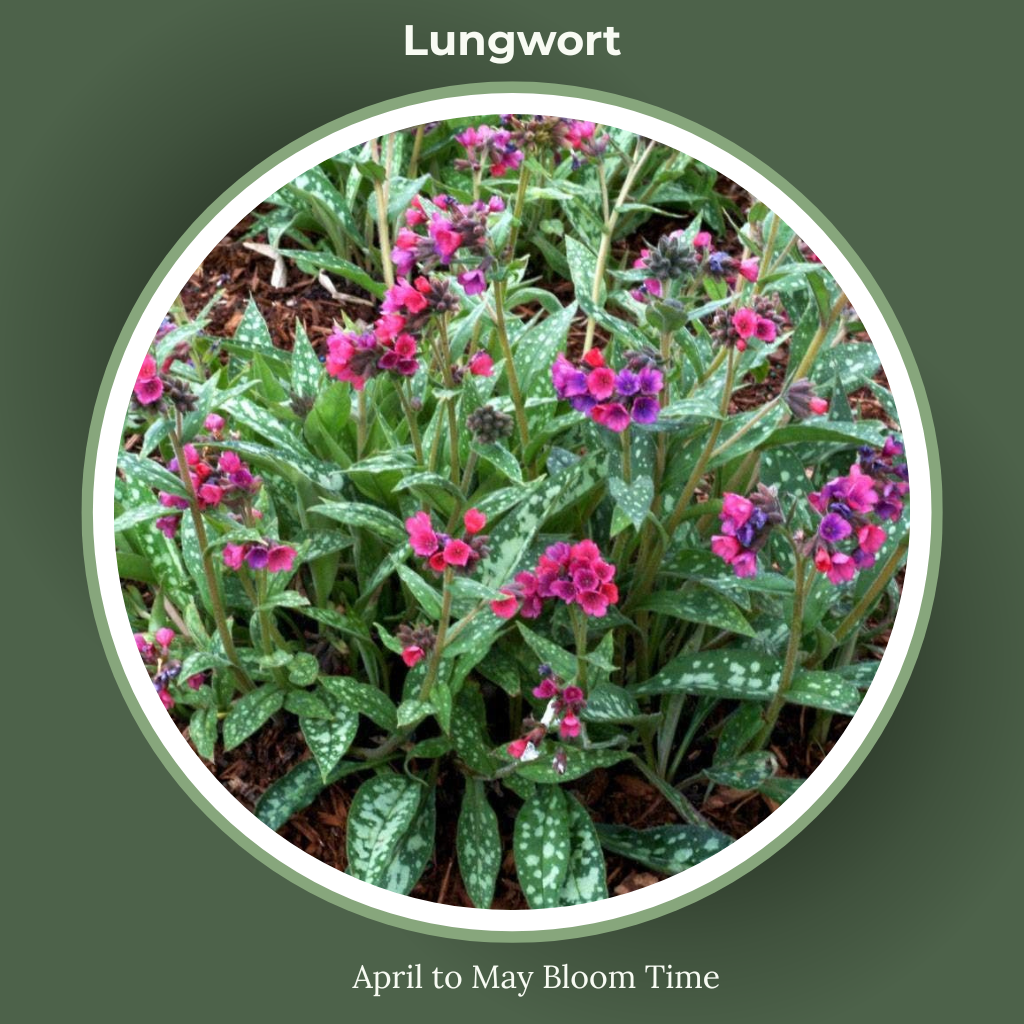
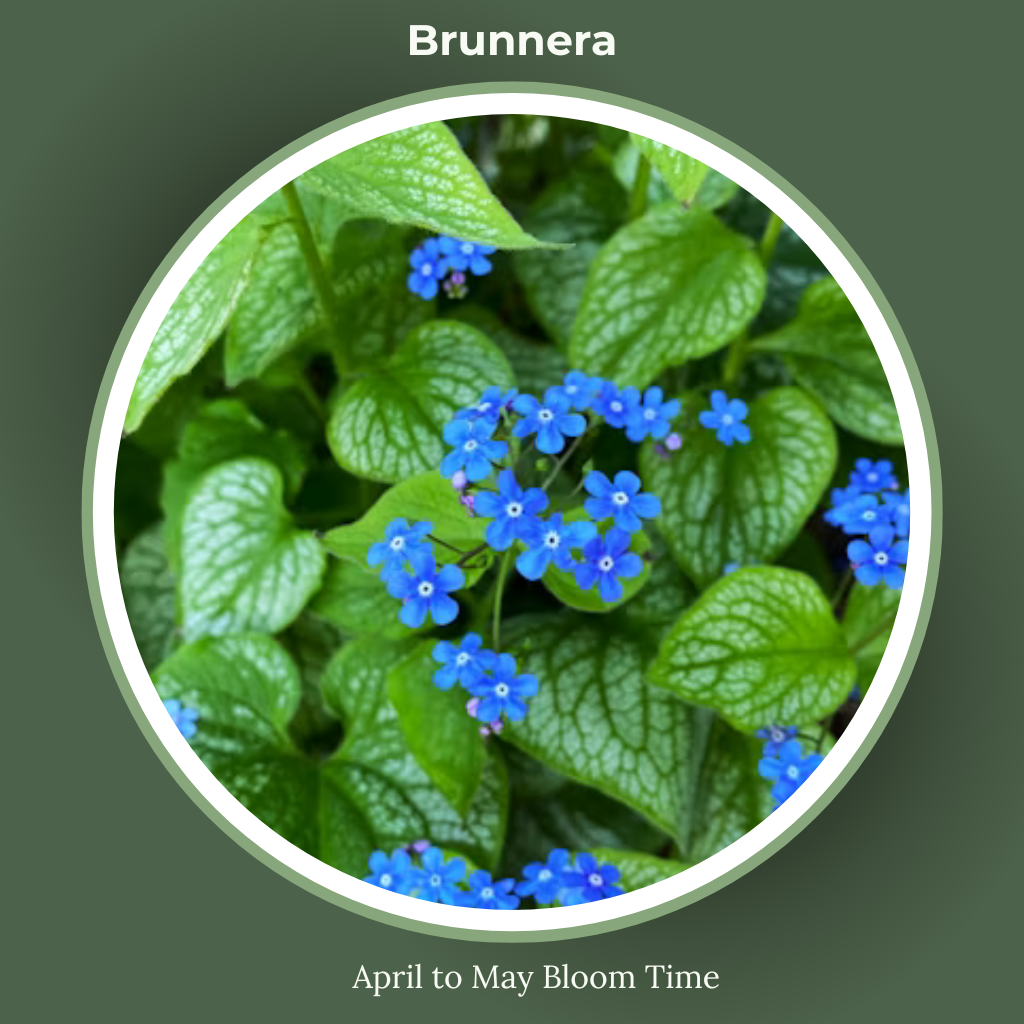
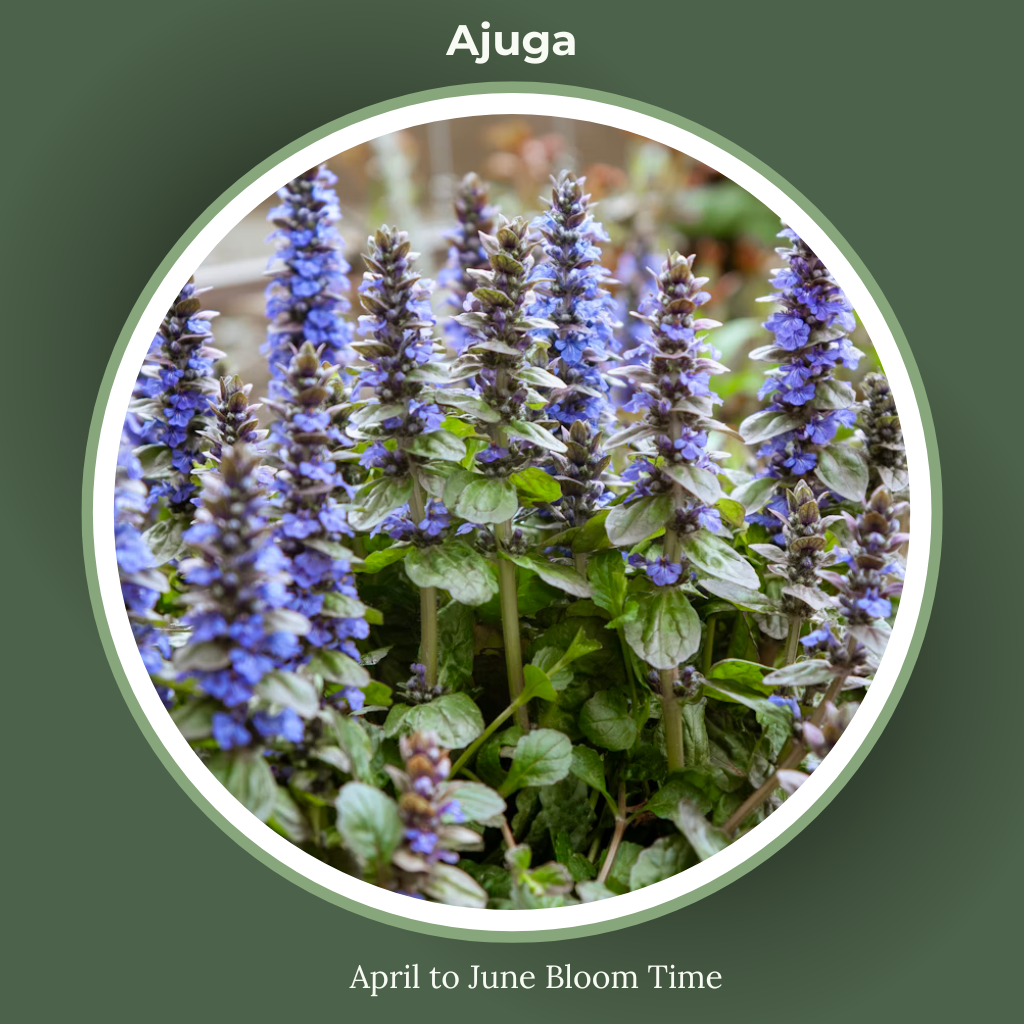
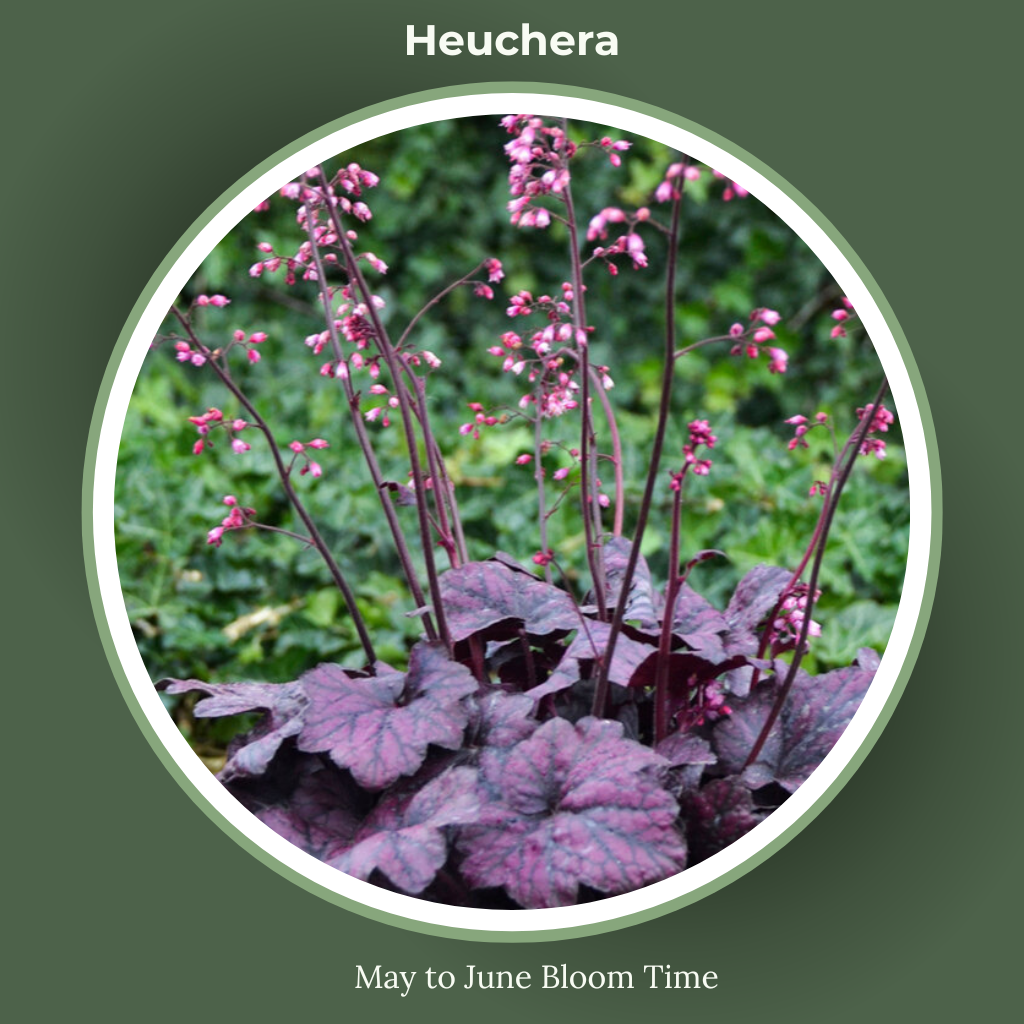
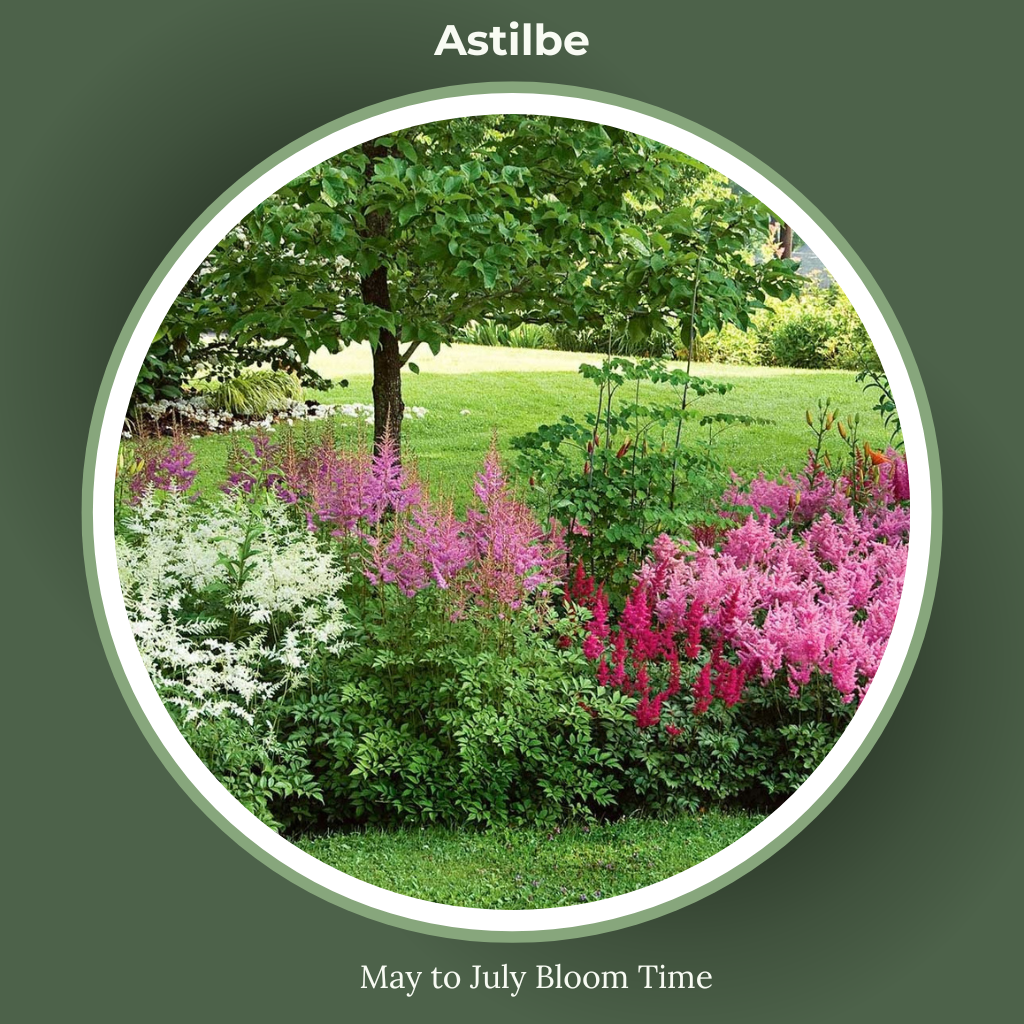
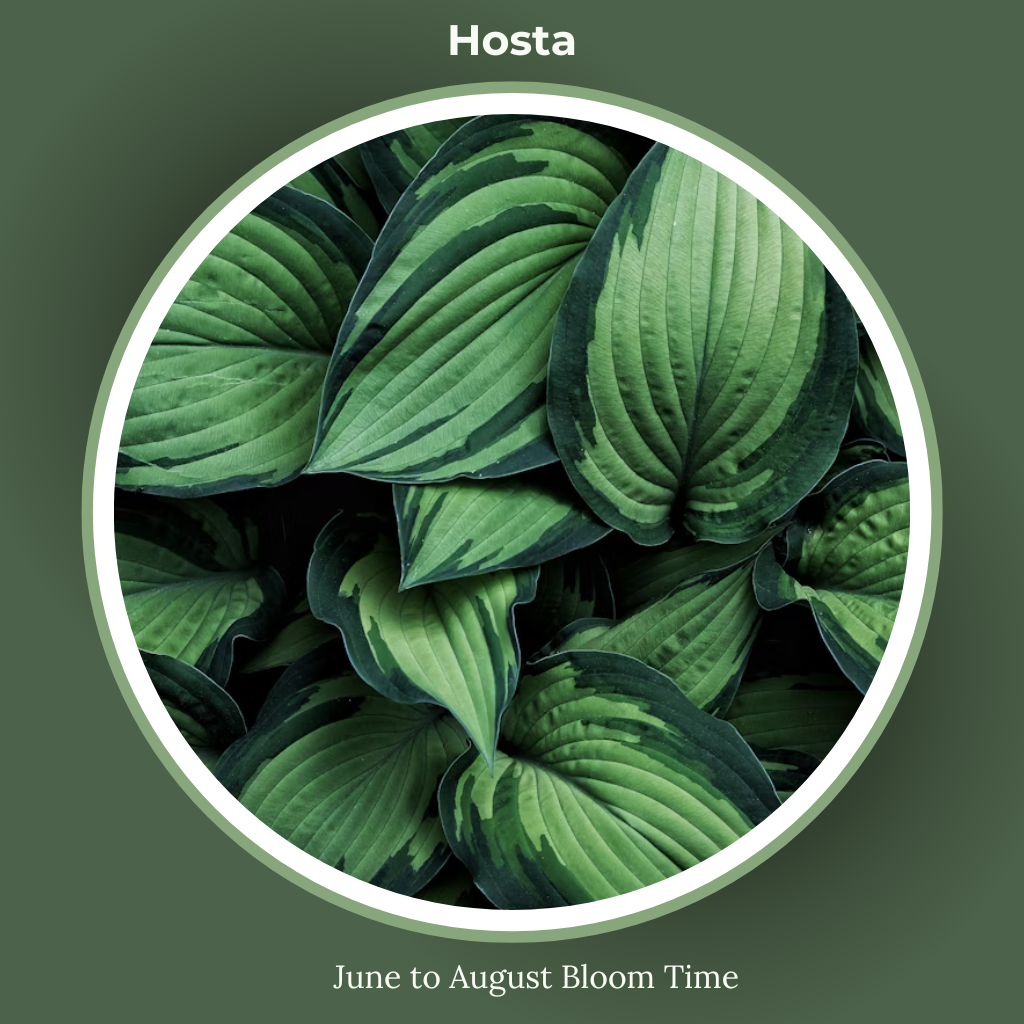
Lovers of dappled sun with little direct light, these perennials are more foliage-forward with fewer blooms and thrive in woodland gardens with mature canopy.
What are the best perennial flowers to grow in Emmaus, PA?
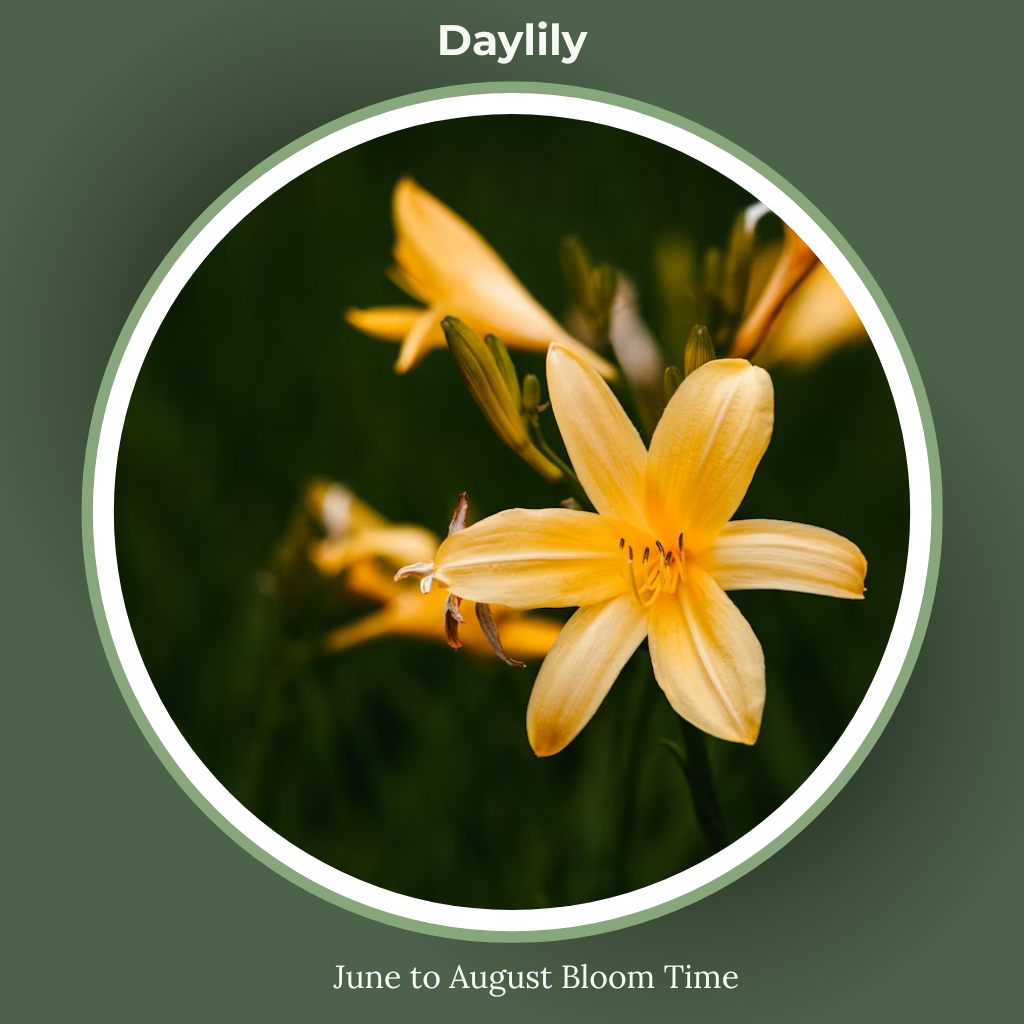
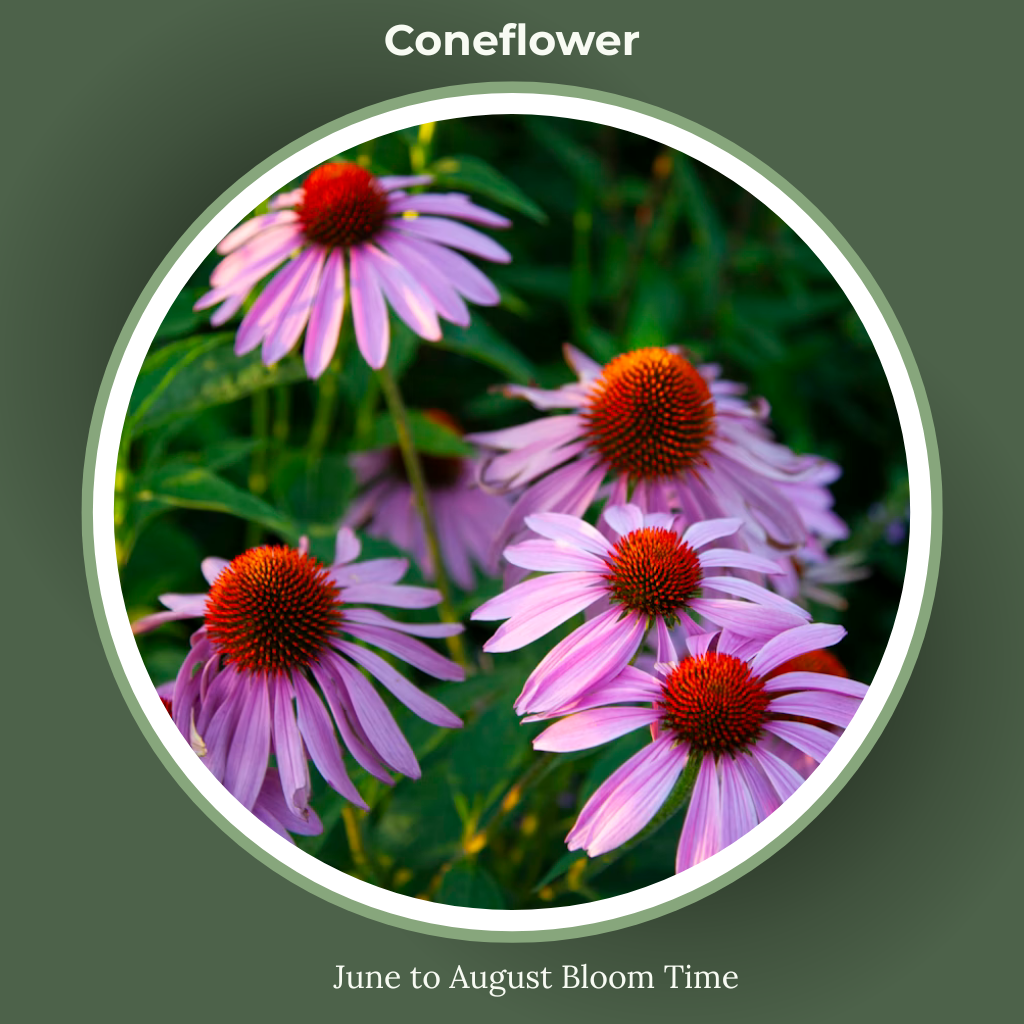
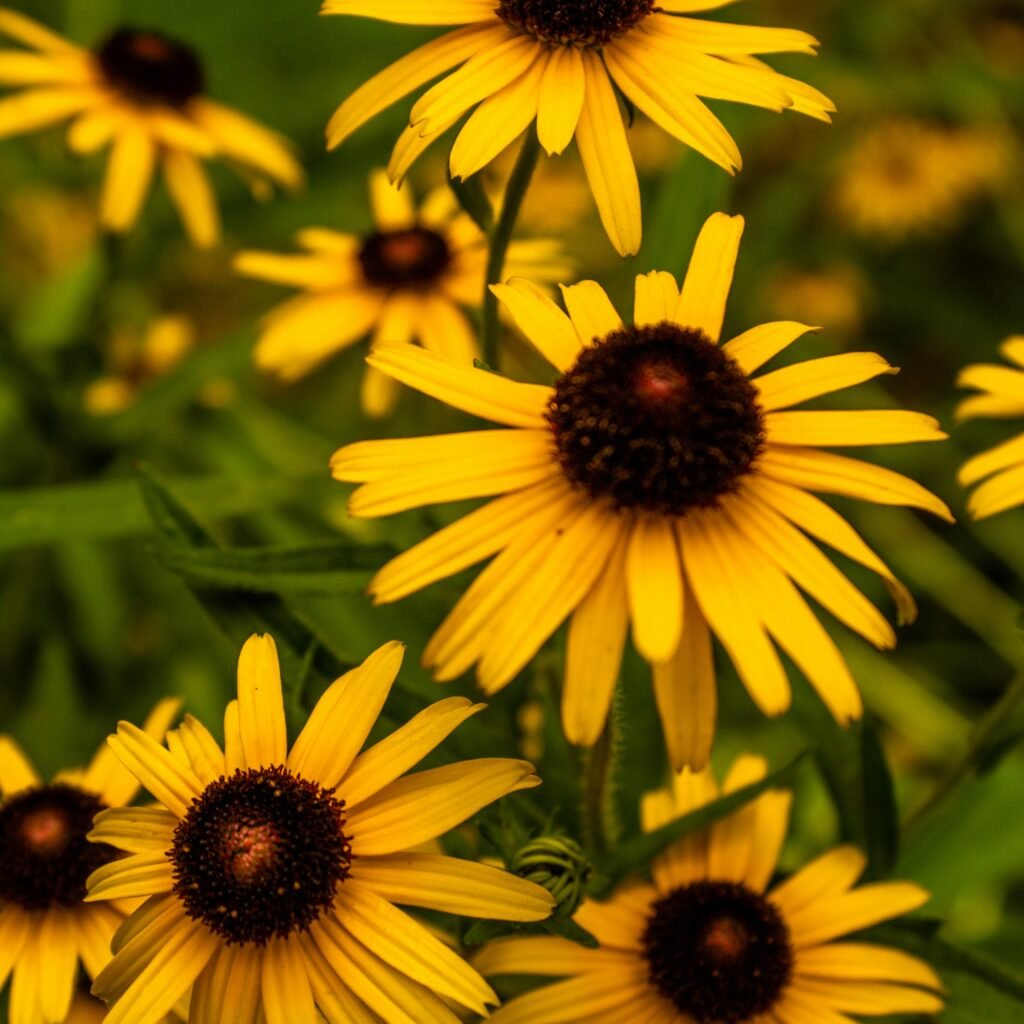
The Lehigh Valley falls within USDA Hardiness Zone 6b, which supports a wide variety of perennials. Top performers in our area include coneflowers (Echinacea), black-eyed Susans (Rudbeckia), daylilies, hostas, salvia, astilbe, and peonies. These plants reliably return each year and are well-suited to Pennsylvania’s climate of cold winters and warm, humid summers.
When is the best time to plant perennials in the Lehigh Valley?
The ideal times to plant perennials in the Emmaus and Lehigh Valley area are spring (late April through May, after the last frost date of approximately April 15–30) and early fall (August through September). Fall planting gives roots time to establish before winter without the stress of summer heat, while spring planting takes advantage of cooler temperatures and natural rainfall.
How do perennials differ from annuals?
Perennials are plants that return year after year from the same root system, making them a long-term investment in your garden. Annuals complete their life cycle in one growing season and must be replanted each year. While annuals often provide continuous color all season, perennials typically bloom for a defined period but reward you with lower maintenance and increasing fullness as they mature and spread over time.
How do I care for perennials over the winter in Pennsylvania?
Most perennials grown in Zone 6b are cold-hardy and require minimal winter preparation. Best practices include cutting back dead foliage in late fall or early spring, applying 2–3 inches of mulch around the base after the ground begins to freeze to insulate roots, and leaving ornamental grasses and seed heads standing through winter to provide habitat for beneficial insects and birds. Avoid cutting back too early — some perennials, like hellebores, are semi-evergreen and benefit from their foliage through winter.
Do perennials spread, and how do I keep them from overtaking my garden?
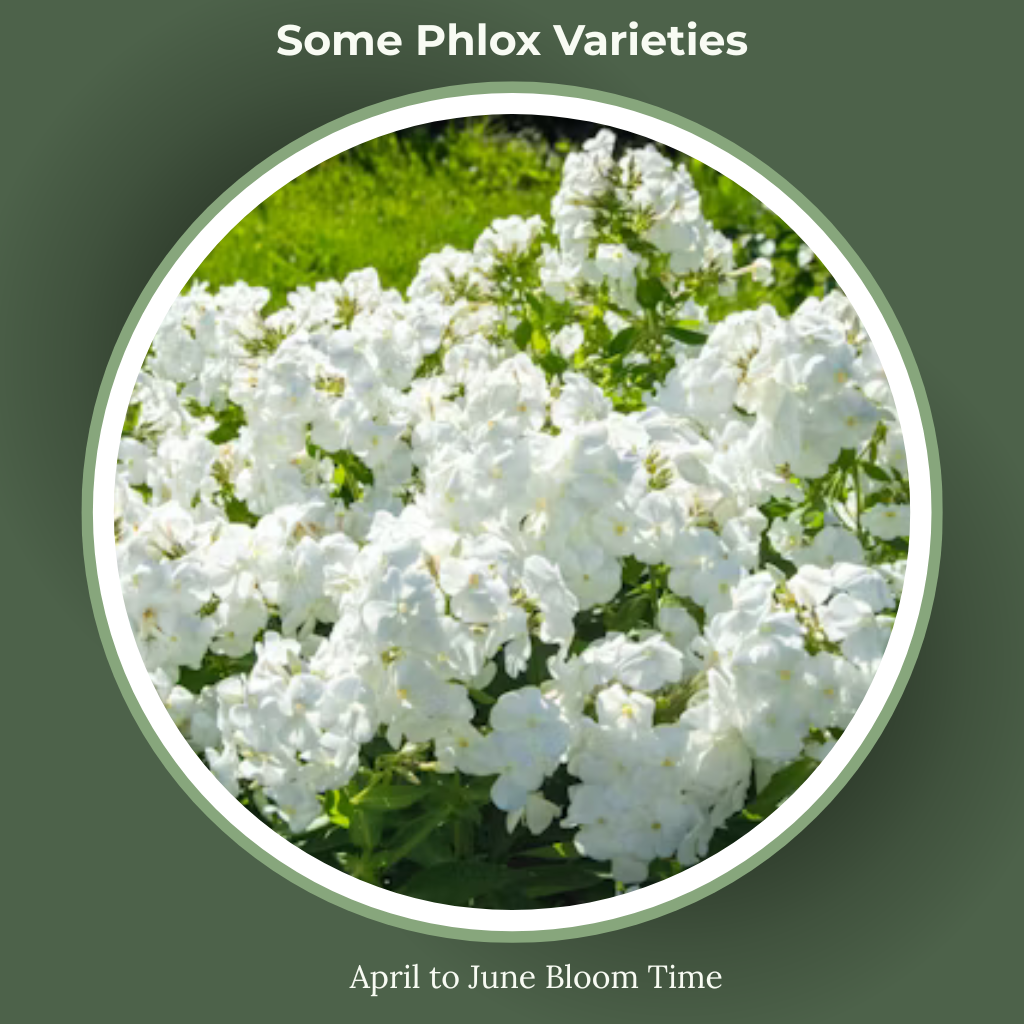
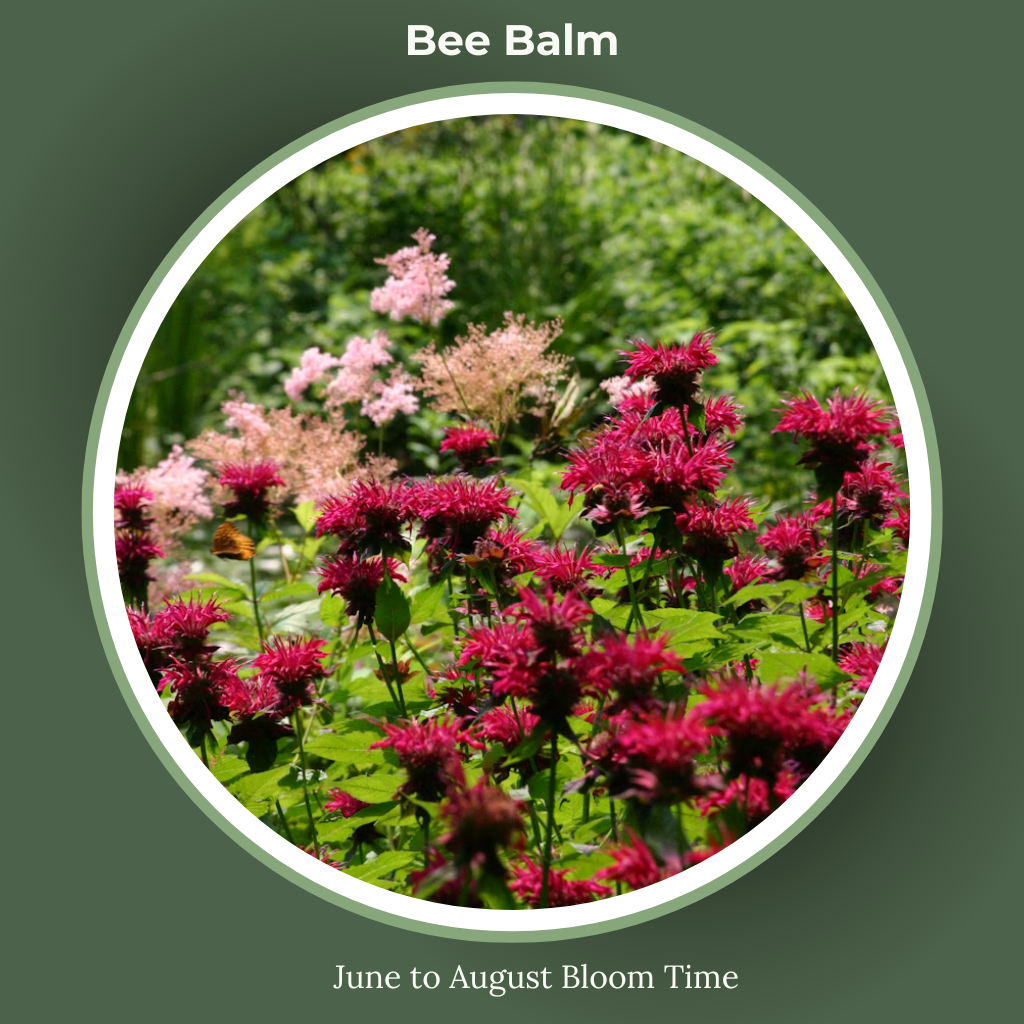
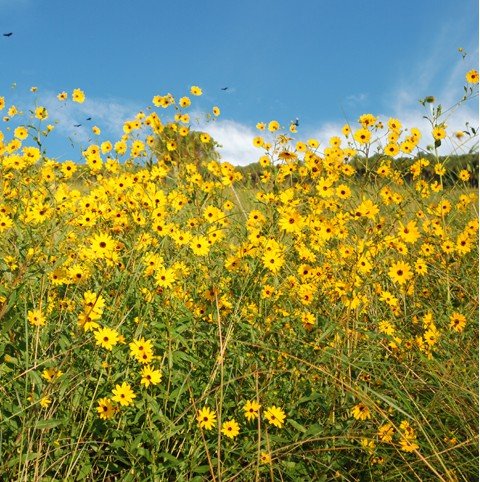
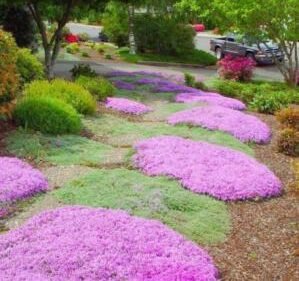
Yes, many perennials spread over time either by underground runners, self-seeding, or clumping outward. Aggressive spreaders in our area include bee balm, creeping phlox, and black-eyed Susans. To keep them in check, divide overcrowded clumps every 3–4 years in spring or fall, use garden edging to contain runners, and deadhead (remove spent blooms) before seeds drop if you want to limit self-seeding. Dividing is also a great way to propagate more plants for free!
What perennials grow well in shady areas of my yard?
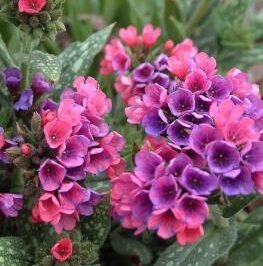
Shady spots in Lehigh Valley gardens can still be beautiful with the right plant choices. Great shade-tolerant perennials include hostas, astilbe, bleeding heart (Dicentra), coral bells (Heuchera), ferns, and Solomon’s seal. For partially shaded areas that receive some morning sun, lungwort (Pulmonaria) and lily of the valley also thrive. When in doubt, our team at Herbein’s can help you assess your light conditions and find the perfect fit.
How often should I water perennials, and do they need fertilizer?
Newly planted perennials need consistent watering — about 1 inch per week — for their first growing season while roots establish. Once established, most perennials are quite drought-tolerant and require watering only during extended dry periods. For fertilizing, a light application of a balanced, slow-release fertilizer in early spring as new growth emerges is generally sufficient. Avoid over-fertilizing, as this tends to produce lush foliage at the expense of blooms. Amending your soil with compost at planting time is one of the best things you can do for long-term perennial health.
Don't prefer the online thing? Neither do we! Come visit today and browse our selection, or chat with one of our plant professionals to get the perfect fit for your planter or garden space.