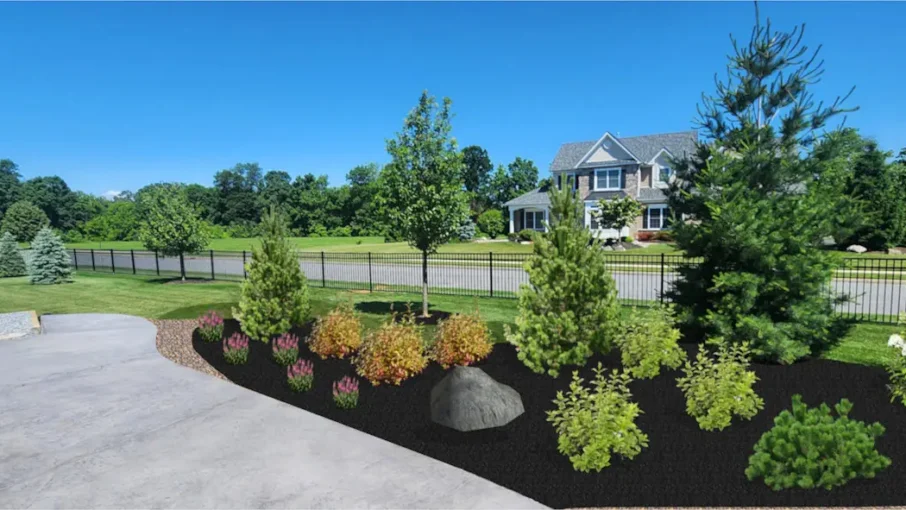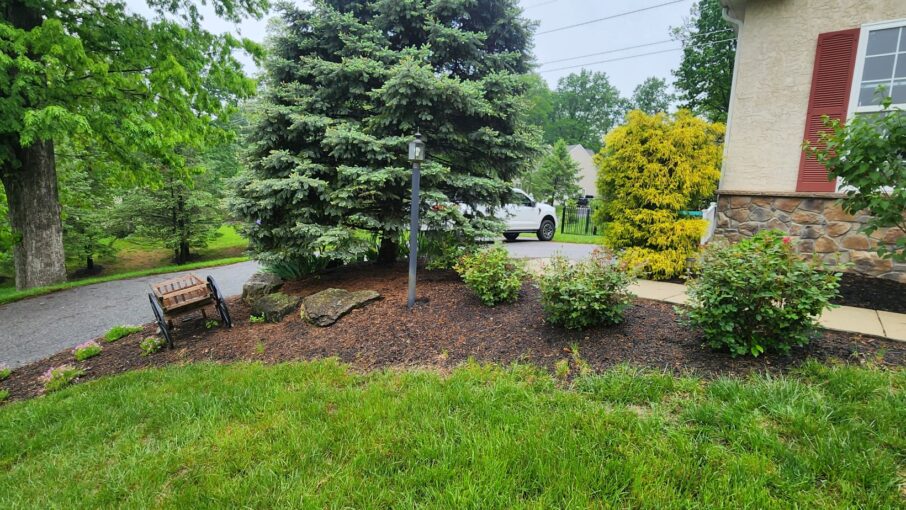

Your Garden. Your Vision. Our Products
Visit Us in Emmaus
Our nursery is fully stocked with annuals, perennials, trees, and shrubs to enhance your landscape.
Our garden center provides you with essential products for all your outdoor needs.
A curated collection of garden-inspired treasures, perfect for any green-thumbed friend or loved one.
Welcome to Herbein's Garden Center
Rewards Program
Use your rewards before December 24th so you don’t lose them!
(Earn 5% on all your pre-taxed purchases!)
Helping Customers....
Build Beautiful Gardens Since 1974
Established in 1974, our garden center has been helping our customers to transform their outdoor spaces into thriving, beautiful landscapes for over fifty years. With a commitment to quality and personalized care, our experienced team offers a full range of products, ensuring your garden flourishes in every season.
1
+
Garden Club Members
1
+
Plant Varieties

Garden and Landscaping
Explore More Options
In-House
Services
Services offered at the garden center:
Design Consulation
Seasonal Porch Decor
Product Delivery
Our
Products
Well-Stocked Nursery
Gardening Supplies
Lawn Care
Gifts and Decor
And much more!
View Our
Promotions
See what we offer:
Indoor & Outdoor Sales
Members receive exclusive discounts and promotions
Check back weekly!
Why Choose Us
Our Commitment to Excellence
01
Plant Expertise & Knowledge
With years of hands-on experience, our knowledgeable staff provides expert guidance on plant selection, care instructions, and growing tips to help you succeed in your garden.
02
Personalized Plant Recommendations
We believe that every garden and gardener is unique. We take the time to understand your growing conditions, gardening experience, and plant preferences to recommend the perfect selections for your space.
03
Comprehensive Plant Selection
From annuals and perennials to trees, shrubs, and specialty plants, we offer a full range of high-quality plants and gardening supplies to meet all your growing needs.
04
Quality Plants & Products
Our commitment to quality is evident in every plant we sell. We source only the healthiest plants and carry trusted gardening tools, fertilizers, and supplies to ensure your garden's success.
05
Sustainable Growing Practices
We are dedicated to environmentally sustainable gardening. We offer organic fertilizers, natural pest control solutions, and promote water-wise plant selections for eco-friendly gardening.
06
Customer Success Guarantee
Your gardening success is our top priority. We provide ongoing support, care instructions, and stand behind the quality of our plants with our commitment to helping you create a thriving garden.
Reviews
See what Our
Customers Are Saying
Trying to figure out how much mulch, soil, stone, etc, that you need for your property?
Check out our product calculator!
Garden and Landscaping
Price List
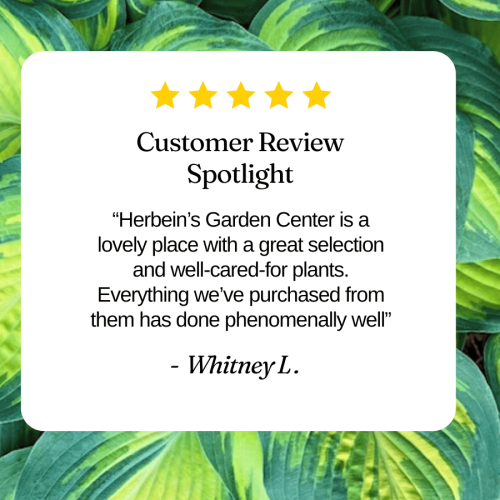
Herbein's Garden Center is a lovely place with a great selection and well-cared-for plants.
Everything we've purchased from them has done phenomenally well.
Whitney L.
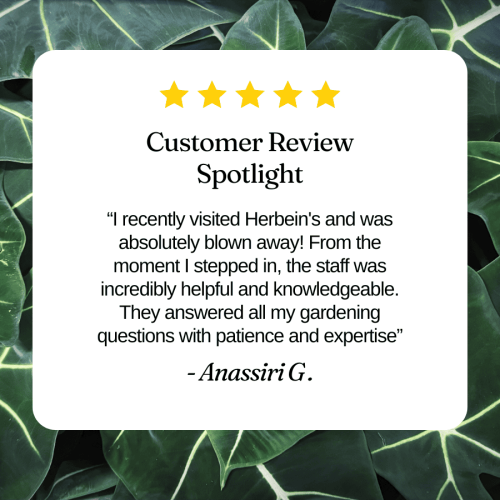
I recently visited Herbein's and was absolutely blown away! From the moment I stepped in, the staff was incredibly helpful and knowledgeable.
They answered all my gardening questions with patience and expertise.
Annassiri G.
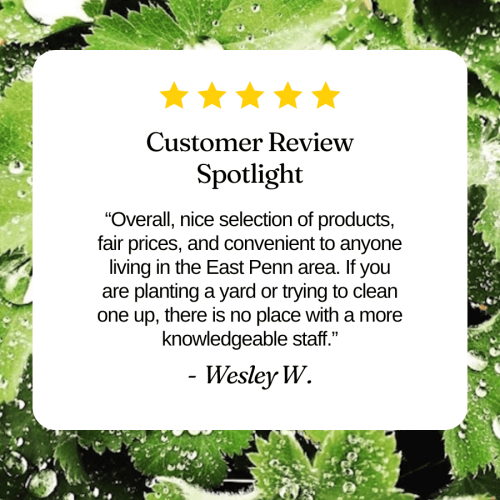
Overall, nice selection of products, fair prices, and convenient to anyone living in the East Penn area. If you are planting a yard or trying to clean one up, there is no place with a more knowledgeable staff.
Wesley w.
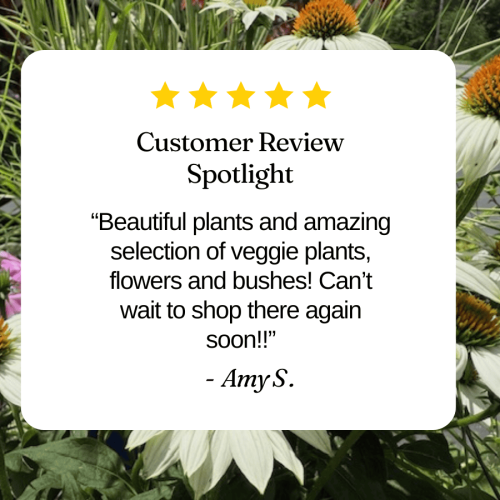
Beautiful plants and amazing selection of veggie plants, flowers, and bushes! Can't wait to shop there again soon!!
Amy S.
Our Works